Why That Asparagus You Bought in January Came From Peru


(and what it says about our food system)
I was at the grocery store last week, standing in the produce aisle, staring at the asparagus. Asparagus always feels like spring to me. It’s one of those foods that shows up just as winter is finally loosening its grip — bright green, fresh, alive. And there I was, in the middle of January, holding a perfectly good-looking bunch. I flipped it over to check the label. Product of Peru.
That one small detail had me thinking — “how did this become normal?”. Because it really has become normal to shop for produce completely outside of its growing season, without giving it much thought.
It wasn’t all that long ago that people grew at least some of their own food. And while most of us don’t live in that world anymore, it feels like we skipped an important step — the one where food was still mostly local and seasonal — and jumped straight into a system built around global supply chains and year-round availability.
A Year-Round Grocery Store Needs a Year-Round Supply
Here’s the thing about asparagus: it has a short season in the U.S. Asparagus is harvested for just a few weeks in the spring and early summer here in the United States. Michigan, one of the country’s biggest producers, sees its peak harvest in May and June, and other regions follow a similar pattern. Blink and you miss it.
But grocery stores don’t really do “blink and you miss it.”
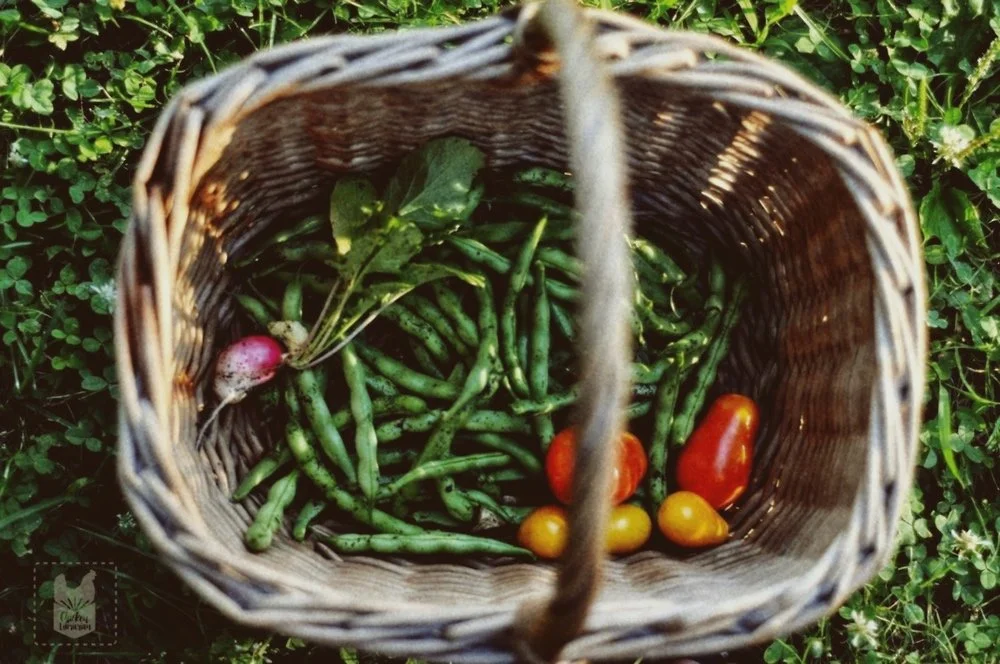
Consumers expect their favorite foods to be available all the time. Retailers don’t want gaps in their produce sections just because something is out of season. So when domestic asparagus disappears, stores don’t stop selling it — they source it from somewhere else. And honestly, I get the appeal. I love asparagus. I also love tomatoes — even the questionable ones that show up in December. But one of the simplest and most meaningful shifts I’ve made in my own farm-to-table eating is letting the seasons decide what ends up on my plate.
No asparagus outside of its local growing window. No winter salads unless I’ve grown the greens myself. It’s not about perfection — it’s about paying attention. That shift alone has made me think differently about what I eat and where it comes from.
So Why Peru?
Back to that January asparagus. Peru has a climate that allows asparagus to be grown year-round. Because its seasons are opposite ours, it fills the gap when U.S. fields are dormant. According to trade and agricultural export data, roughly 88% of the fresh asparagus grown in Peru is shipped to the United States.
That’s not a small side hustle — it’s a major supply relationship. Peru exports tens of millions of boxes of asparagus to the U.S. every year, and when U.S. asparagus isn’t in season, imports dominate the market. Mexico plays a big role too, but Peru is one of the primary players, especially in winter and early spring. In fact, trade statistics show that most of the asparagus eaten in the U.S. is imported, particularly outside the domestic harvest window.
So if you’re buying fresh asparagus after June, it probably didn’t come from a nearby farm or even a neighboring state. It likely traveled thousands of miles to get to your cart.
Convenience Has a Cost
This global system solves one problem — year-round access — but it comes with trade-offs we don’t always see.
Distance and logistics. Moving fresh produce across continents takes careful coordination. Shipping delays, fuel costs, refrigeration, and labor shortages all factor into whether that asparagus shows up on time and how much it costs. Industry reports regularly point to logistics as one of the most fragile parts of the food system.
Environmental impact. Long-distance shipping means more fuel, more packaging, and more energy use. Studies on food miles consistently show that produce grown closer to home generally has a smaller transportation footprint than imported alternatives.
Seasonal disconnect. When everything is available year‑round, it’s easy to forget that food actually has seasons. Farms in East Tennessee don’t grow the same things in January that they do in June — and that’s not a flaw, it’s how agriculture works. Even dairy products used to be seasonal, but now cows are managed to produce milk year‑round so we can have ready-made dairy at a moment’s notice.
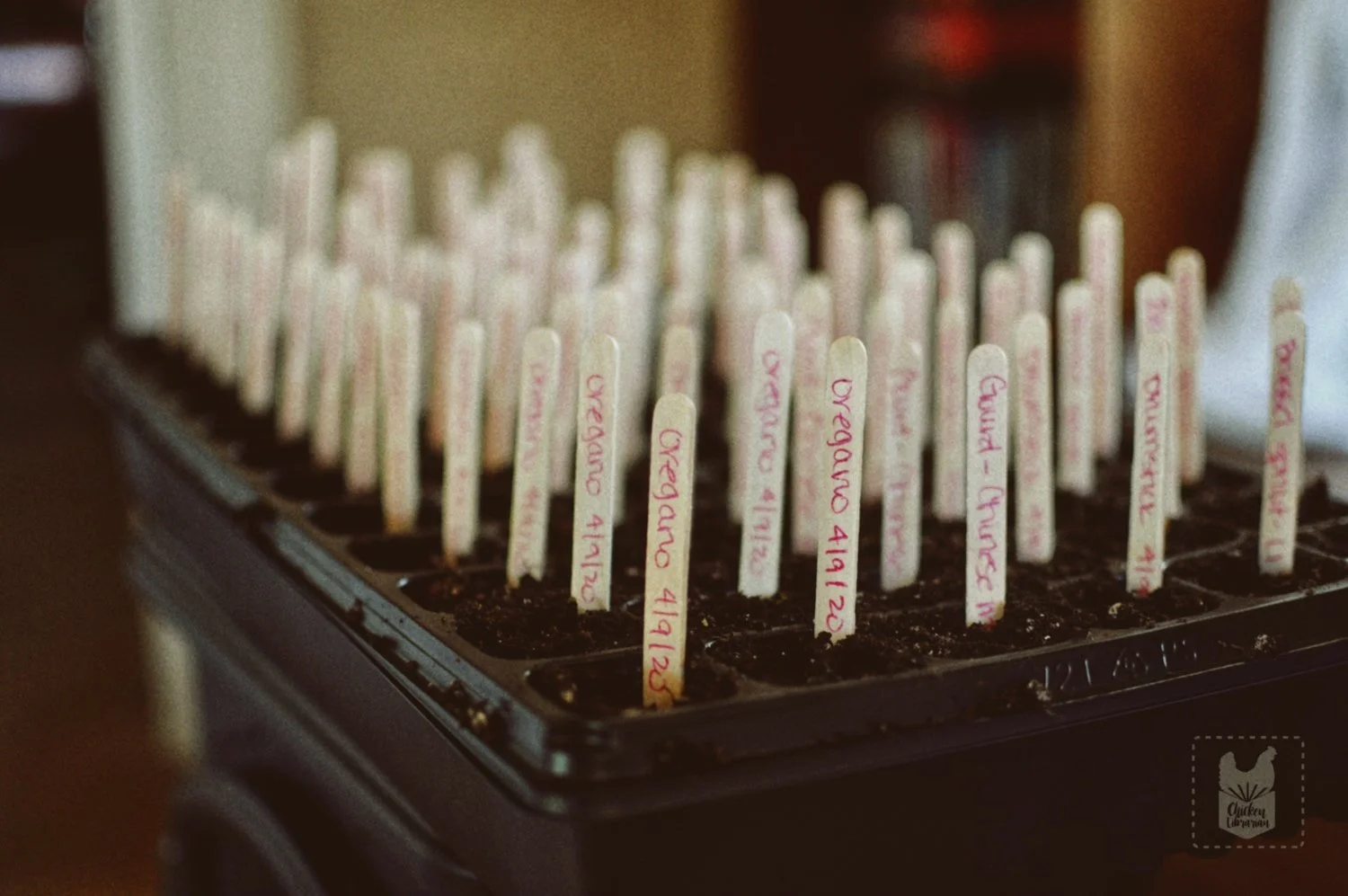
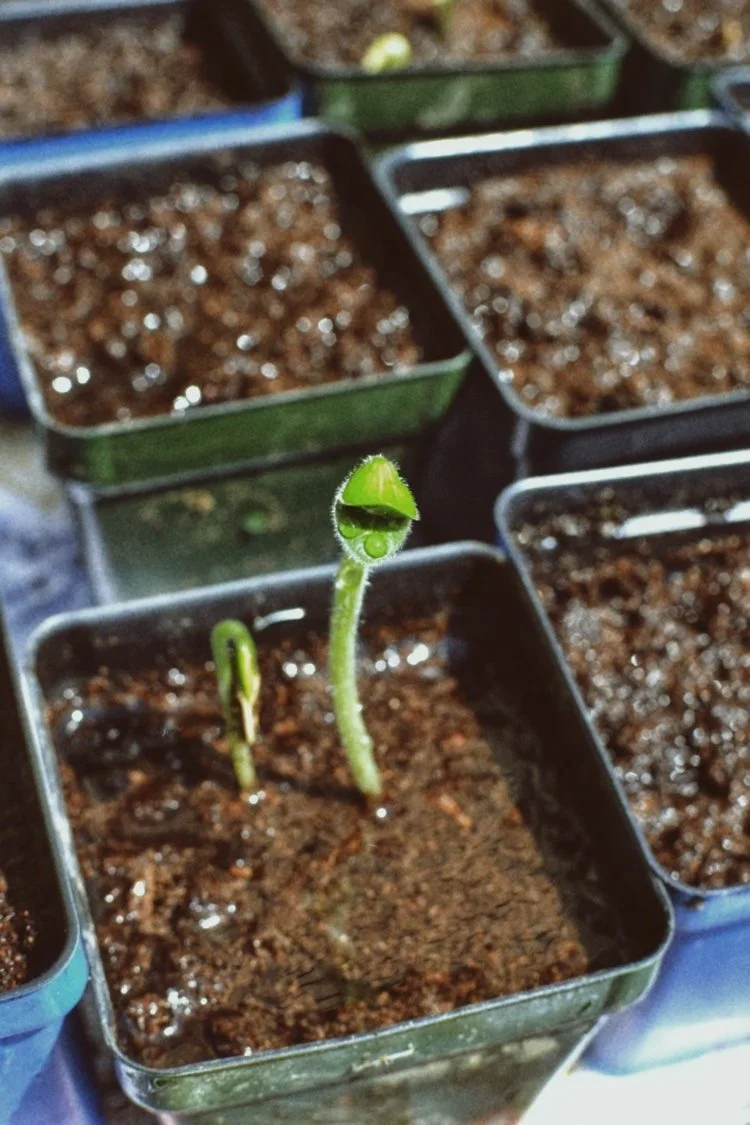
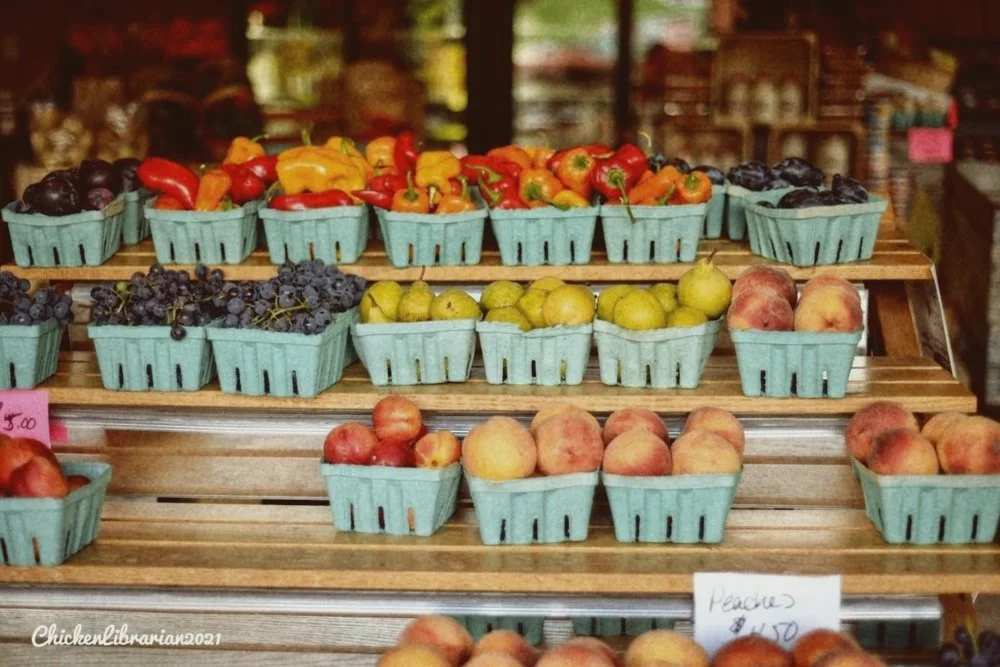
The convenience is real. But so are the hidden costs. One of the easiest ways to reconnect with seasonality is visiting a farmers market. You’re seeing what’s actually growing right now, in your soil and climate. And growing a little food yourself — even just herbs or greens in containers — makes that connection even stronger. It doesn’t take much space or time to start paying attention.
So Why Don’t We All Just Shop Local?
That’s the bigger question, isn’t it?
Is year-round produce something we truly need, or something we’ve just gotten used to? Do grocery stores operate under pressures that local markets don’t? How much do price, convenience, and awareness shape the choices we make? There aren’t easy answers here. But understanding how the system works — and why that asparagus came from Peru — gives us a better place to start the conversation.
What’s Next
In future posts, I want to explore:
What seasonal eating actually looks like in real life (not the idealized version)
Why convenience so often wins, even for people who care deeply about food systems
How supply chains shape our expectations — and what alternatives might look like
This is just the beginning. I don’t have all the answers, but I’m interested in asking better questions.
What changes have you made to eat closer to home? Do you shop at a farmers market when you can? I’ll be at mine this Saturday — and I’m lucky enough to live somewhere with markets nearly year-round.