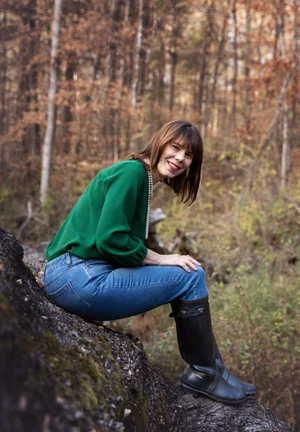
Farm-to-Table Series: A Wooly Cottage Industry in Upstate NY
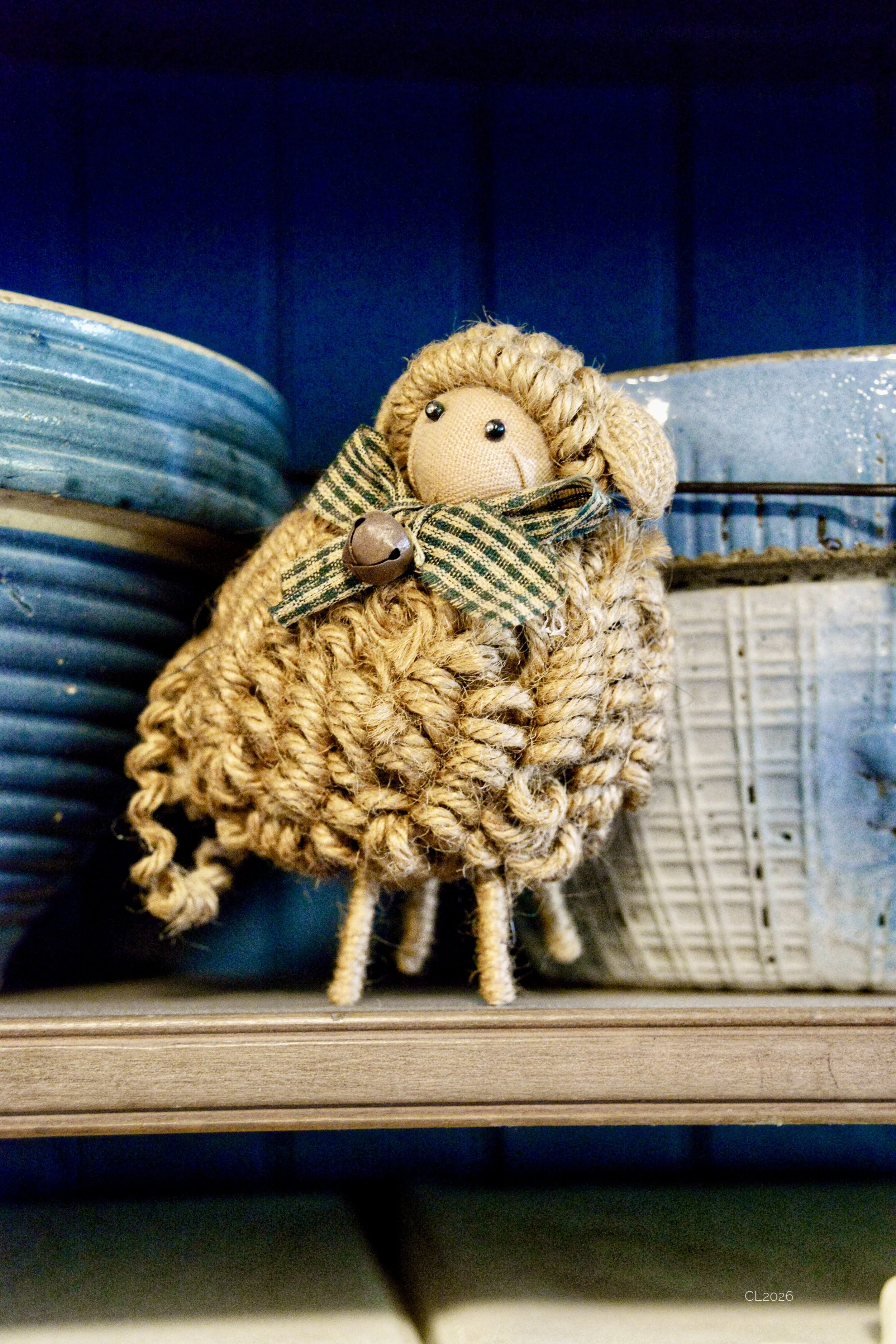
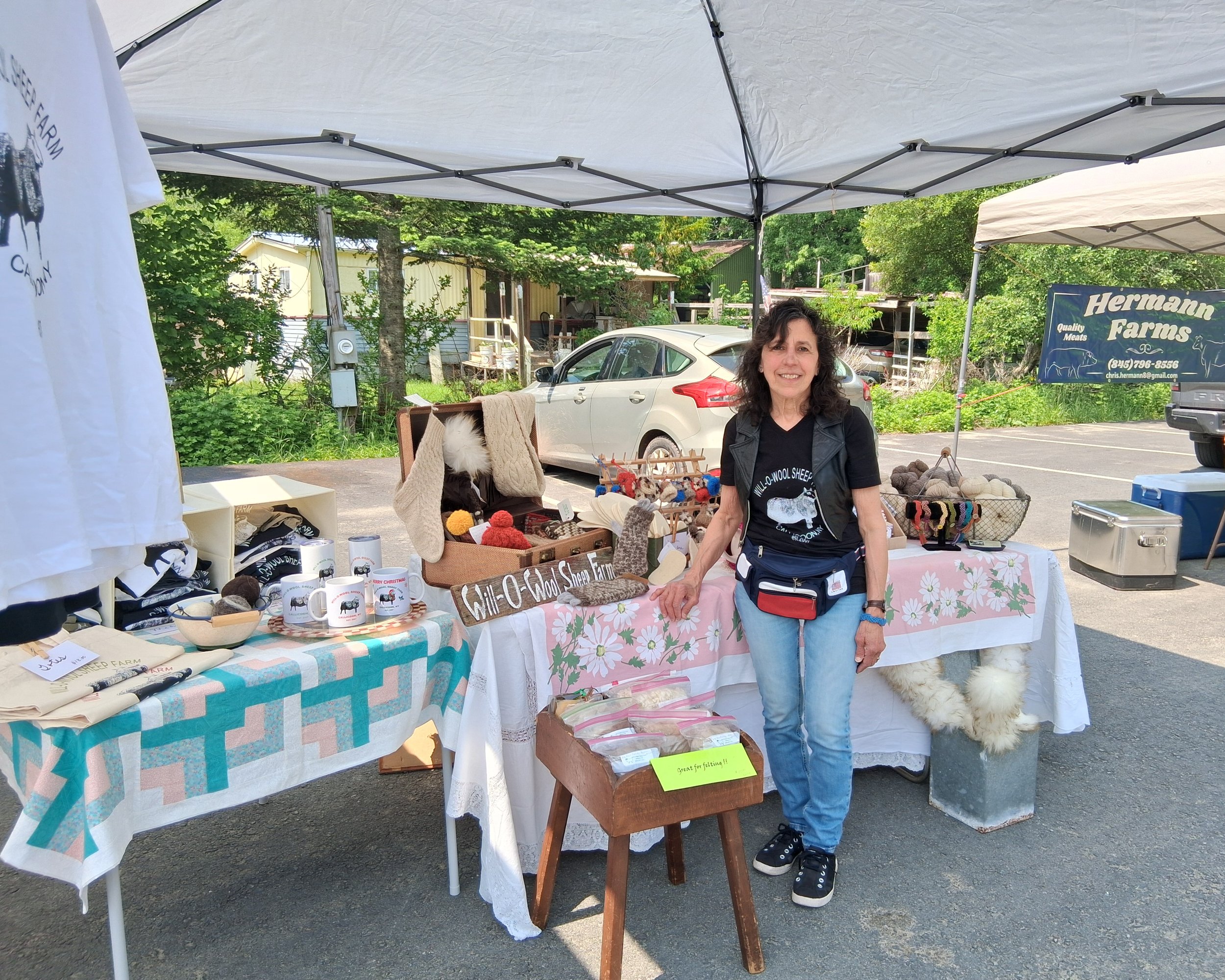
We’ve been discussing what farm-to-table means to us, both here in southern Appalachia—East Tennessee for me—and in northern Appalachia—the Upper Delaware River region for you. We’ve discussed the food industry and what that looks like in both areas, but it goes beyond growing our food or sourcing our food locally or regionally. Sometimes it also looks like supporting our local makers, artisans and local businesses, which is why I am bringing you a different story this month.
I sat down with Gail Carbone, proprietor of Will-O-Wool Sheep Farm, last month when I visited her on her farm. I’ve known Gail for many years (probably too many to count). When I thought about people I wanted to interview and hear their story, Gail was at the top of that list.
It was partly because of this long-standing friendship I’ve had with her, partly because I lived with her before moving to Tennessee, and also because I think there’s something about telling a different kind of story. One that involves cottage industries in New York.
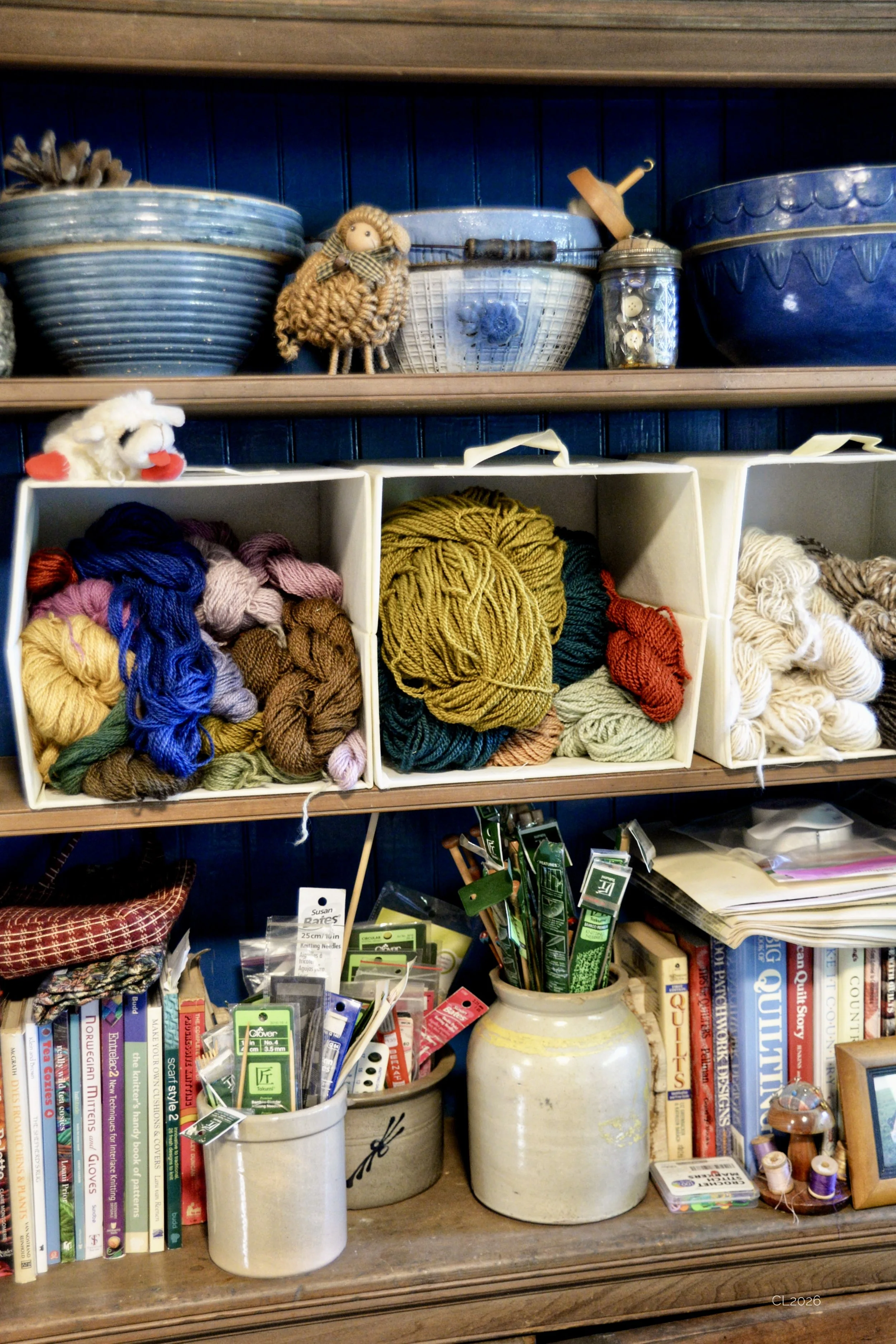
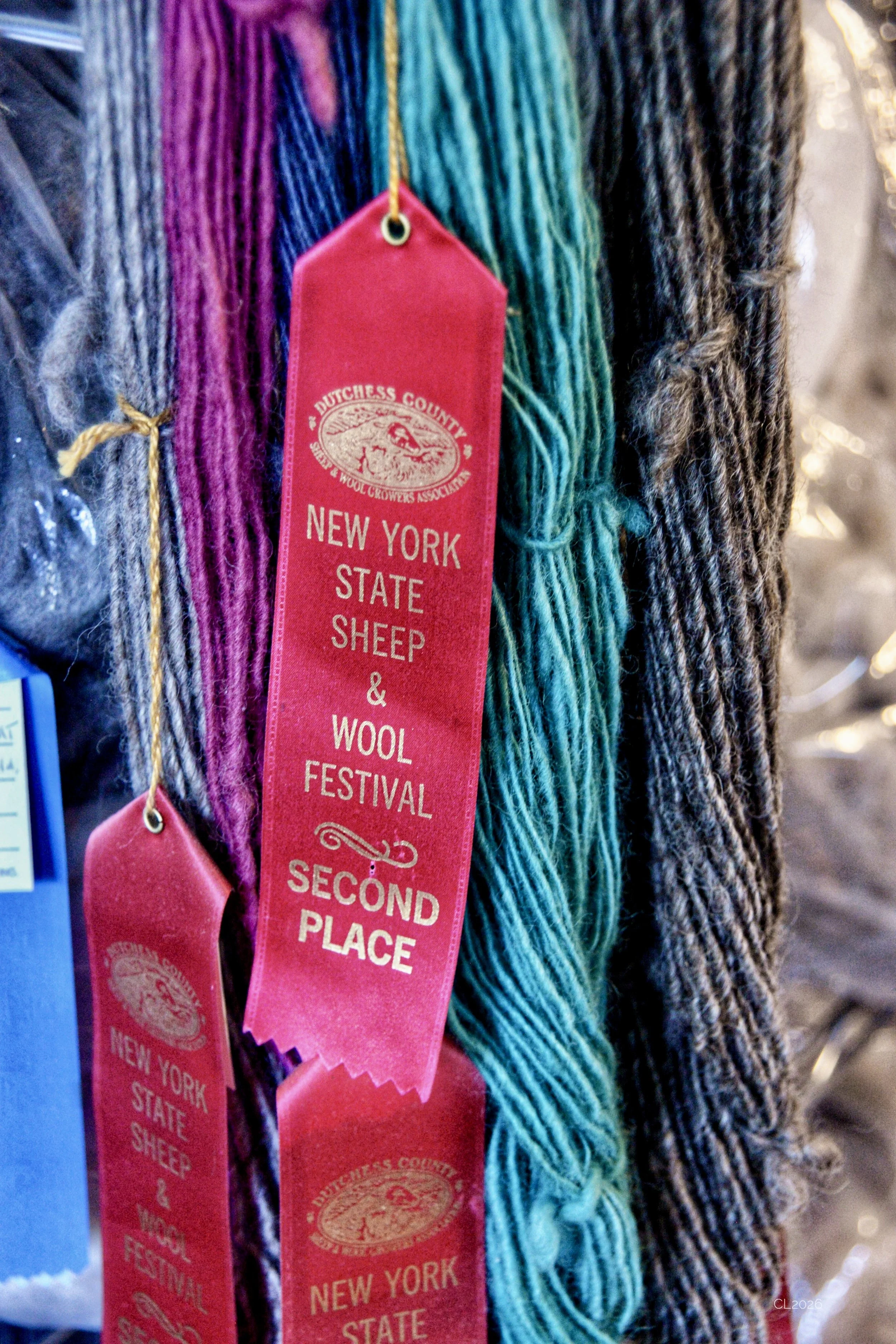
She says, “The dream of owning sheep and using my own wool became a reality in 2006 when we purchased our first purebred Border Leicester ewe at the NYS Sheep and Wool Festival. Shortly thereafter, we acquired more sheep, including a ram, and became Will-O-Wool Farm in 2007. I bought myself a spinning wheel and taught myself handspinning, using my own wool to create skeins of yarn! Eventually, I entered competitions, earning many blue ribbons for my yarn and hand-knitted garments.”
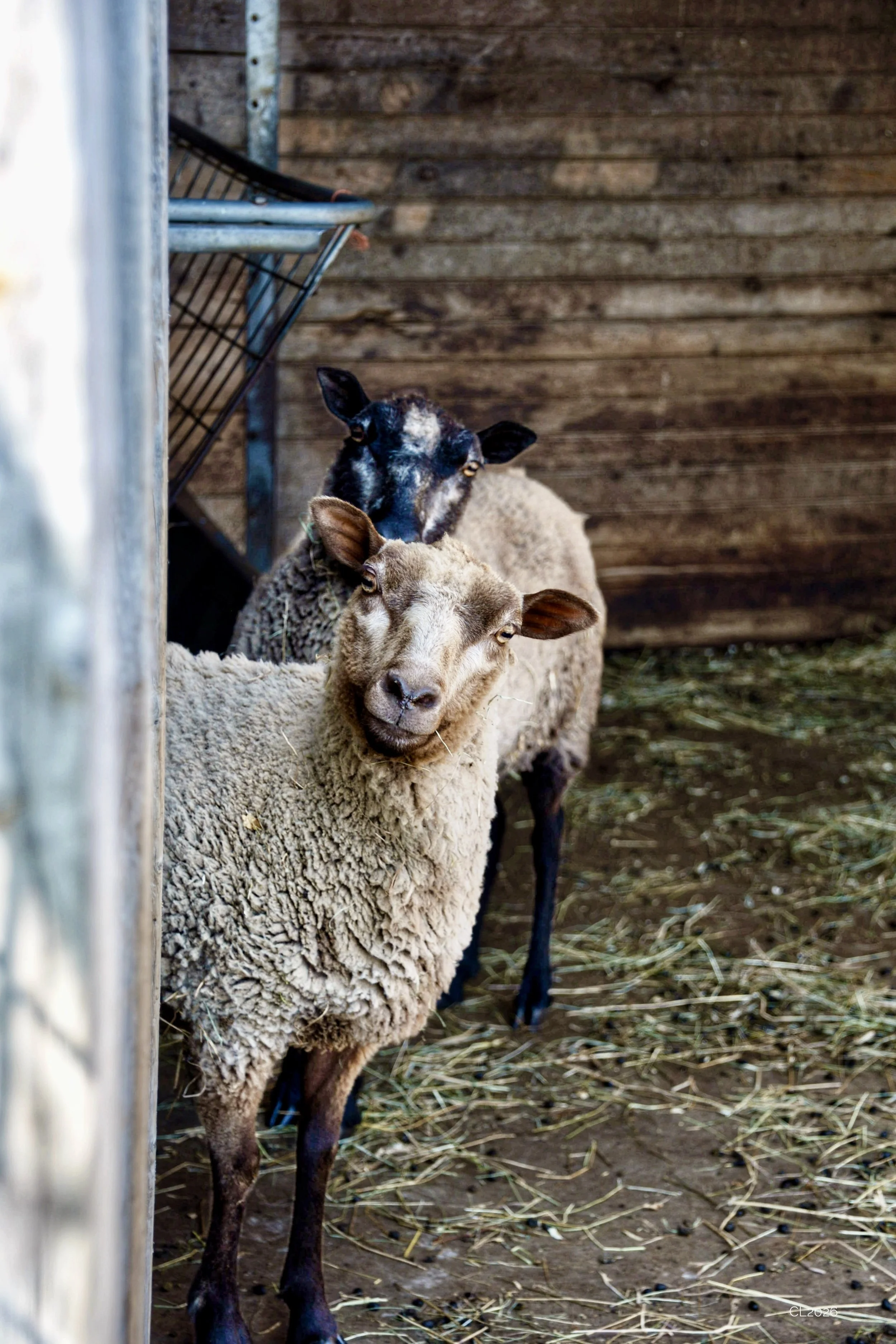
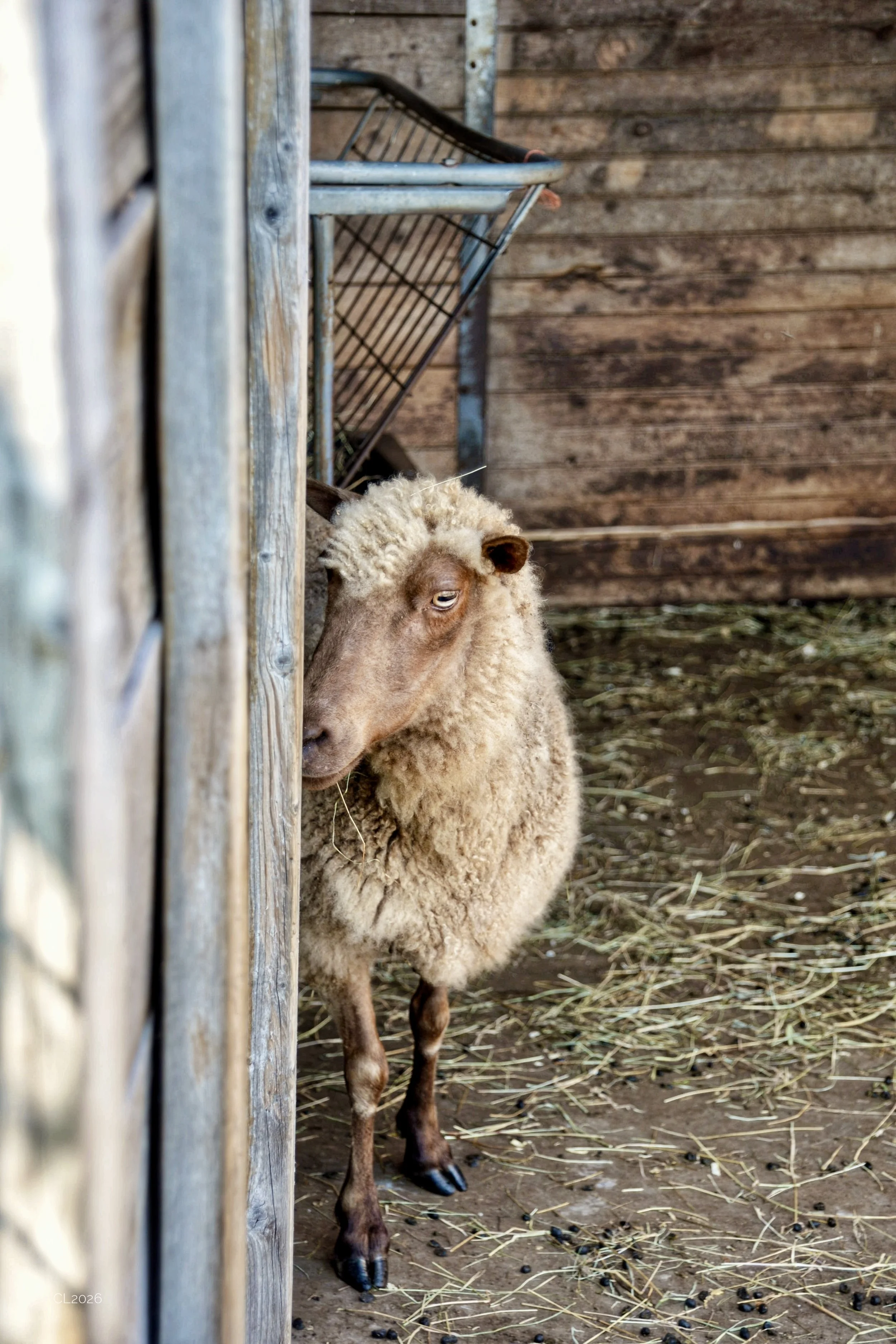
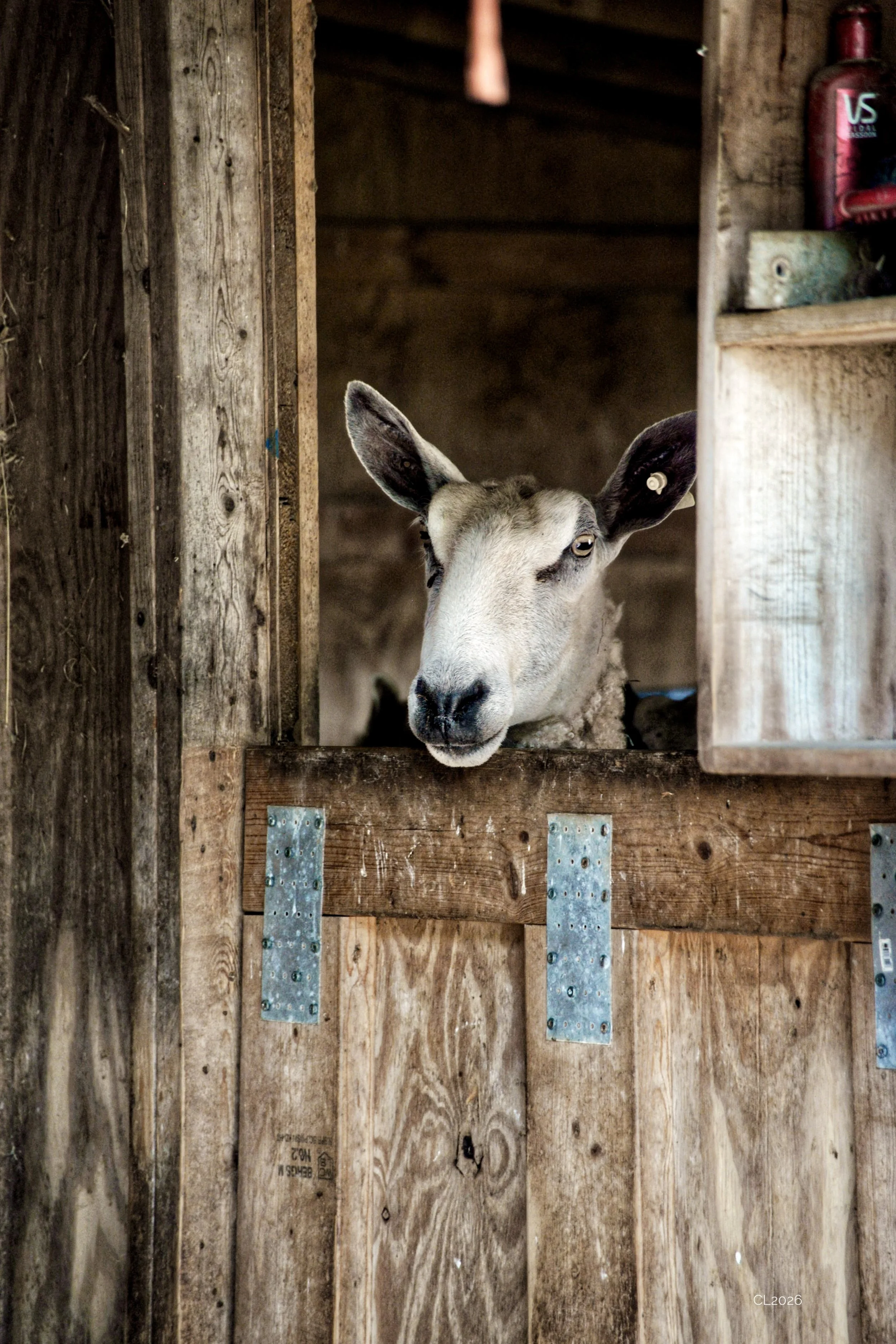
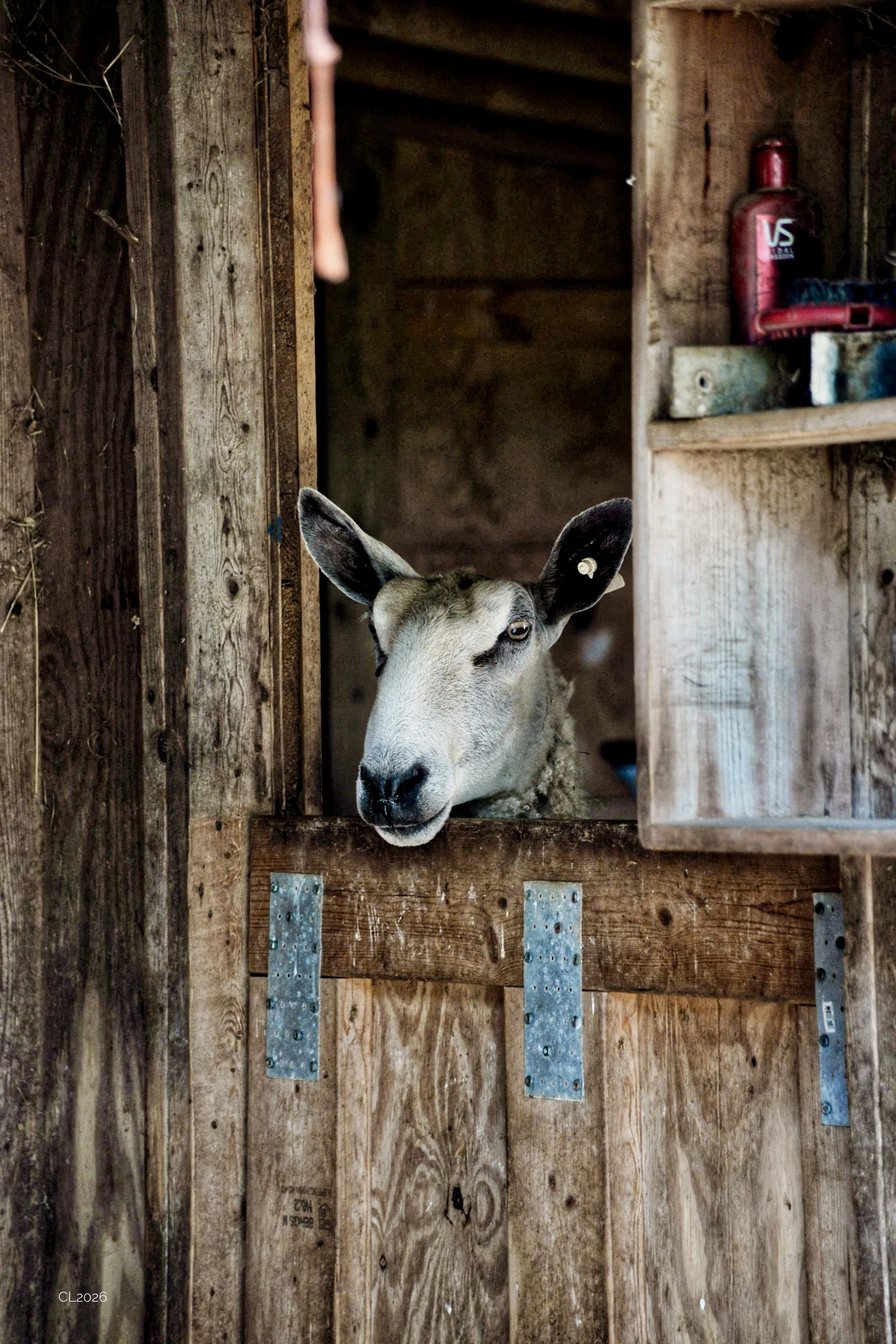
She now raises purebred bluefaced Leicester, Finnsheep and Shetland sheep. So, suffice it to say, Gail has always owned sheep since I’ve known her and has always spun her own sheep’s wool and sold her yarn, along with other fun sheepy goodness.
When we started thinking about what part of her land-based business’s story we wanted to share, we landed on what owning a cottage industry in New York and in the northern Appalachians really meant.
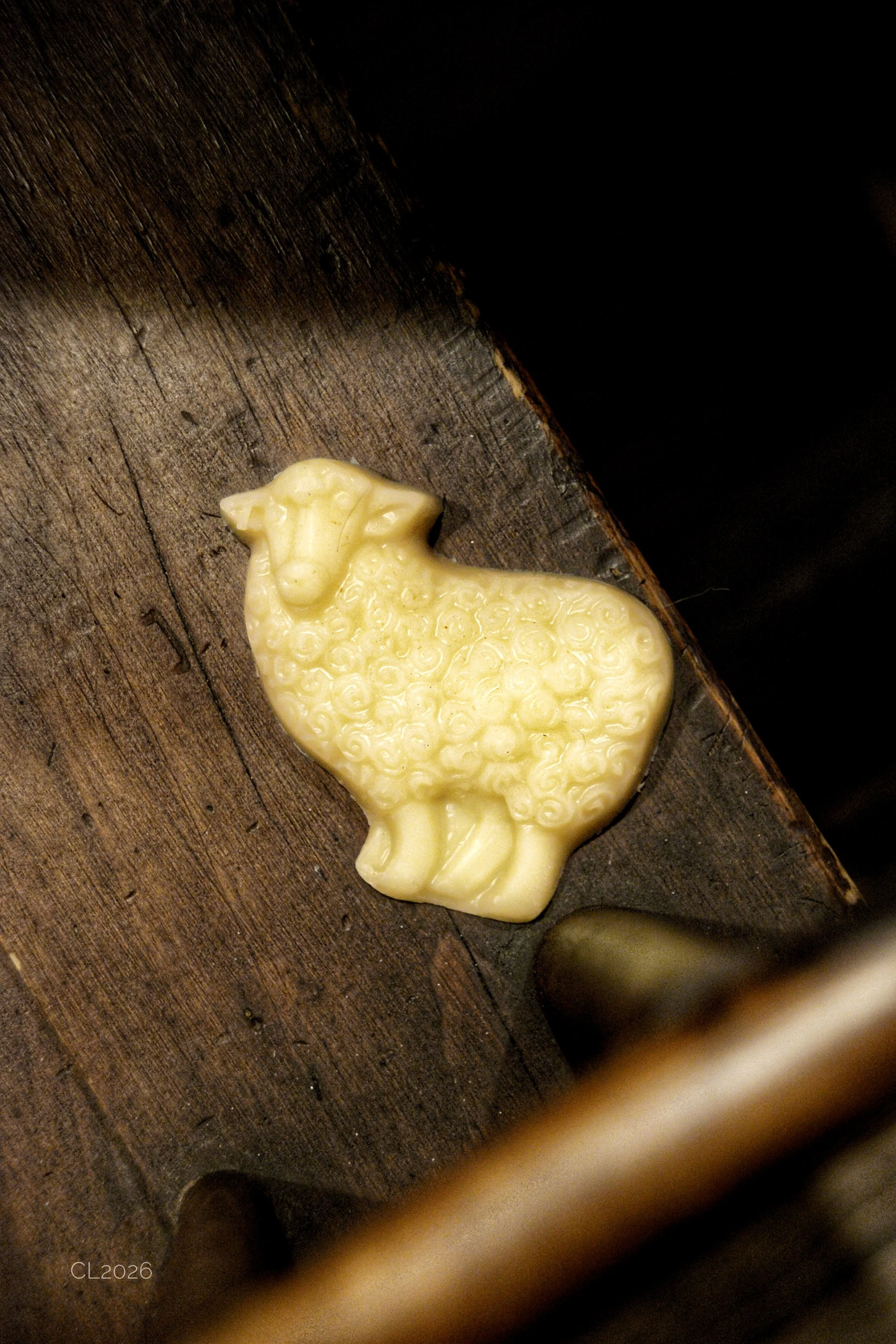
And while Gail loves raising sheep, it goes beyond just raising animals. She has immersed herself in all things wooly goodness. She has raised sheep for their wool, their lanolin and the meat. She engages with her community through local festivals, such as the Callicoon Country Fair, and weekly at the Jeffersonville Farmers’ Market. She also offers visitors a chance to visit the farm by appointment.
It didn’t necessarily start this way, however. If I were to ask Gail if she thought she’d still be on her farm some 20 years later with a thriving cottage industry, she might have said no. But here we are, talking about how to not only survive but thrive in the Northeast on a sheep farm.
There are other opportunities for cottage industries in the state. Gail now sends her wool off to be cleaned, carded and mostly spun into wool, although she does some spinning herself, and uses Gurdy Run Woolen Mill, previously located in Lancaster, PA (but now is the Lancaster Creek Spinnery in Virginia).
If you look closely enough at your local area, you’ll find other sheep farmers, goat and sheep milk and meat producers, and even a local wool mill. It’s an interesting cottage industry located in your backyard. Most of these farmers love sharing their story. You just have to stop and ask. And really listen.
In my experience, New York State offers a lot of resources for people interested in starting a cottage industry. You can find information from places such as Cornell Cooperative Extension and even GrowNYC that will help answer questions, not just about how to start your own but also what’s in season and how to grow your own. And don’t forget about things like fairs and farmers’ markets to connect with your fellow grower and maker.
I picked up a bumper sticker recently that said “No Farms, No Food,” and that is true beyond growing our food. It also includes the producers, the makers, the people who take a product, such as a sheep, and turn it into more than that. A flower grower provides you with some much-needed beauty. A farmer grows the vegetables you eat. A rancher or small-herd producer provides meat you eat. And you know where all of this comes from because you are shopping locally. You get to talk to the grower. You can see their practices. You can visit the farm. Just like Gail’s farm. You can see firsthand how she lives and how well cared for her flock is.
Gail will soon open her farm shop, the Regal Beagle Fiber Studio, featuring yarn, roving and spinning demonstrations.
You can find Gail at the Jeffersonville Farmers’ Market every Sunday and on Facebook at Will-O-Wool Sheep Farm. If you’re interested in seeing what a small cottage industry looks like up close, stop by the market and talk to her. You might leave with some yarn, but you’ll also leave with a better understanding of everything that can come from a single farm.
You can find this story and my other Farm-to-Table Series on The River Reporter’s website.
Kristin Webber’s editorial work explores slow living, seasonal skills and the people and places shaping food, culture and community. You can find out more about her work at www.chickenlibrarian.com.