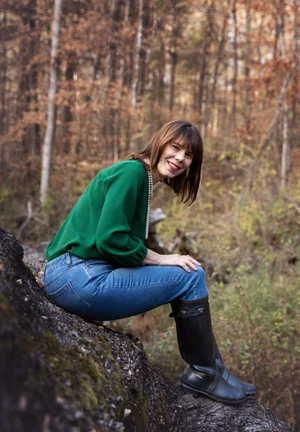
Farm-to-Table Series: Union Farmers Co-op
Once upon a time, I lived in the Upper Delaware region, where I farmed, raised chickens, and wrote for The River Reporter. When I moved to East Tennessee in 2023, I began noticing something familiar in the landscape, the people, and the connection to the land. Though separated by distance, the Upper Delaware and East Tennessee share a way of life that is rooted in agriculture, community, and tradition. That realization inspired this Farm-to-Table series. Through these stories, I hope to connect farmers, growers, makers, and readers from both regions—highlighting where their experiences overlap, where they differ, and what we can learn from each other. Along the way, I’m honored to introduce you to remarkable people and businesses whose work, traditions, and legacy continue to shape the communities they call home.
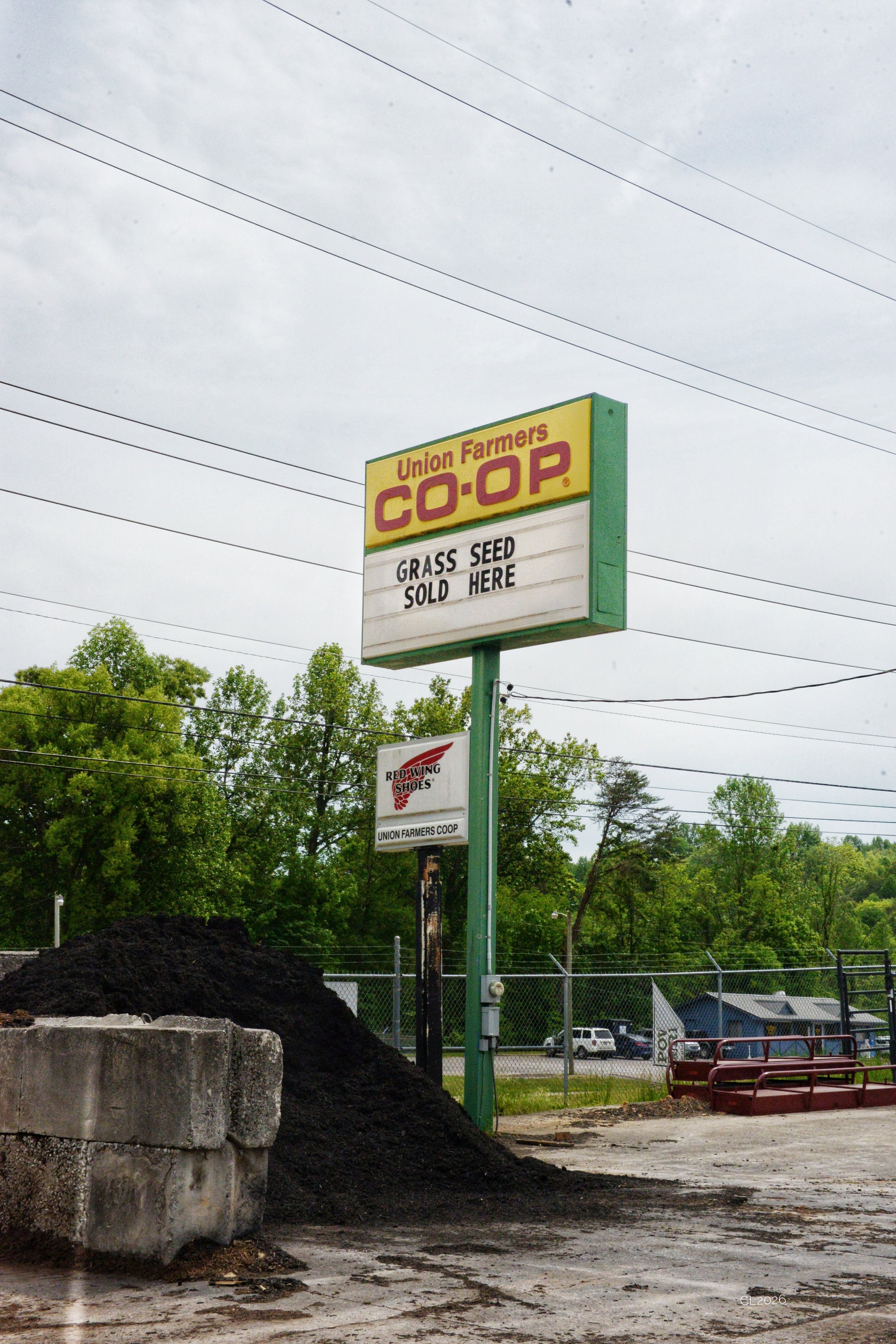
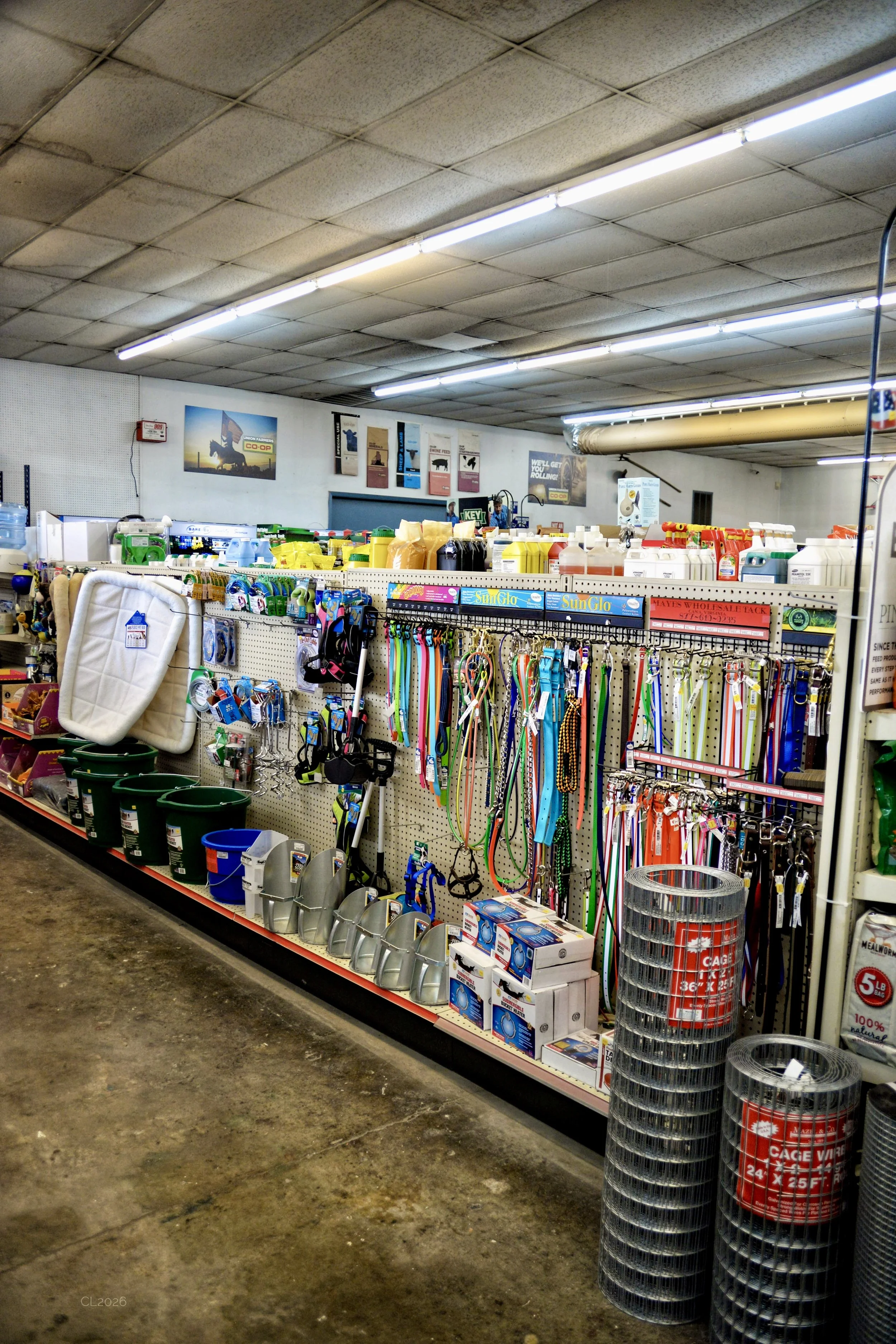
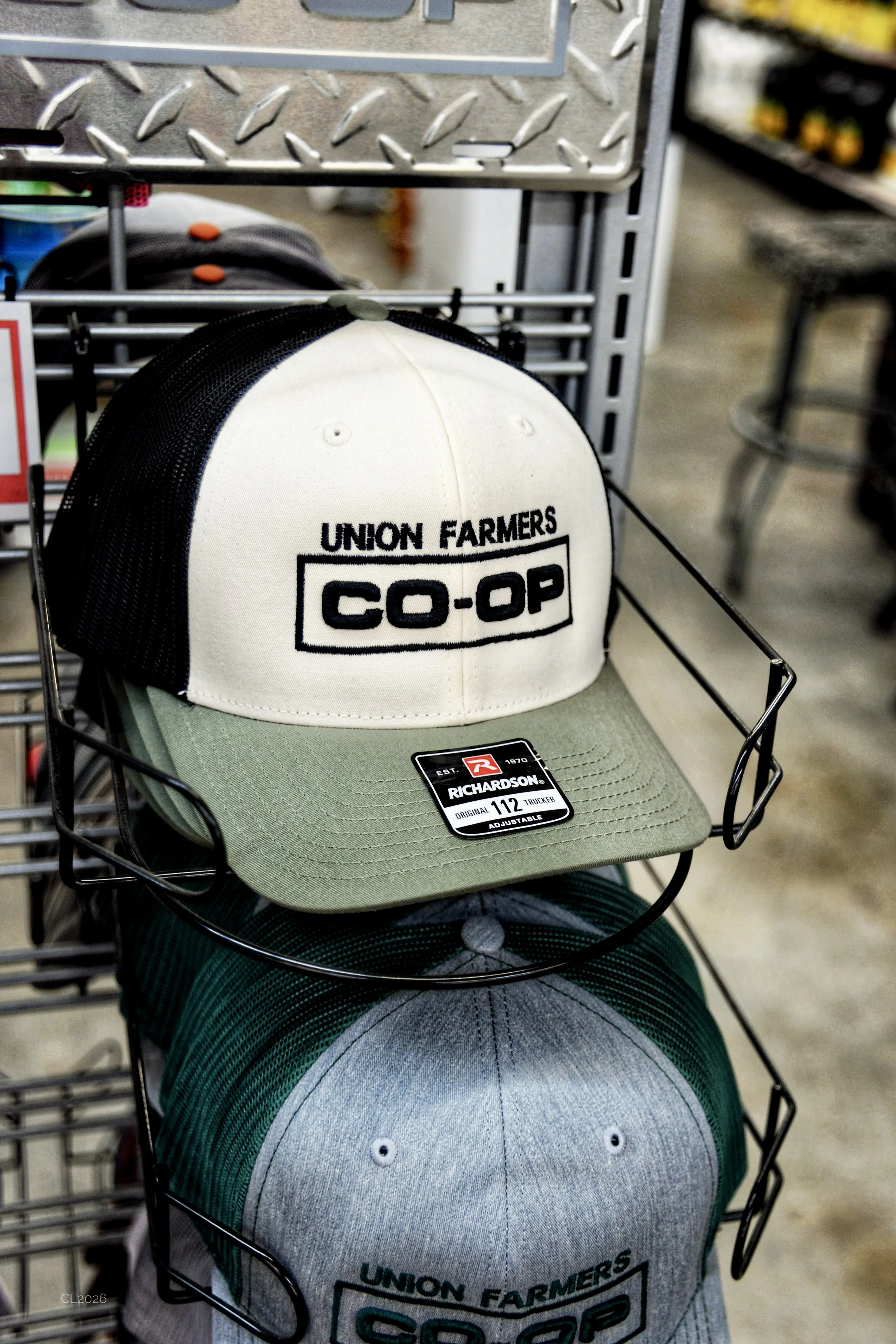
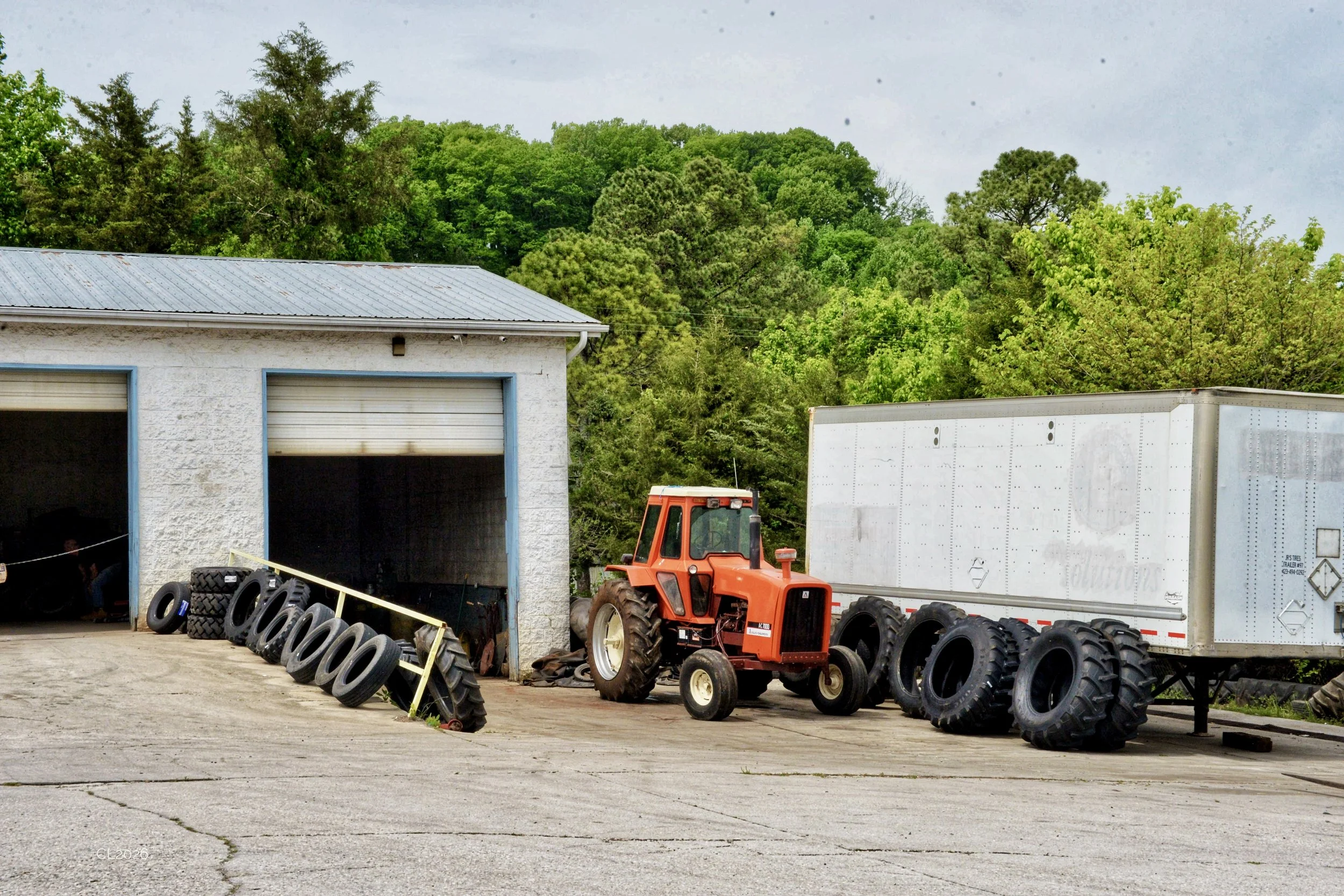

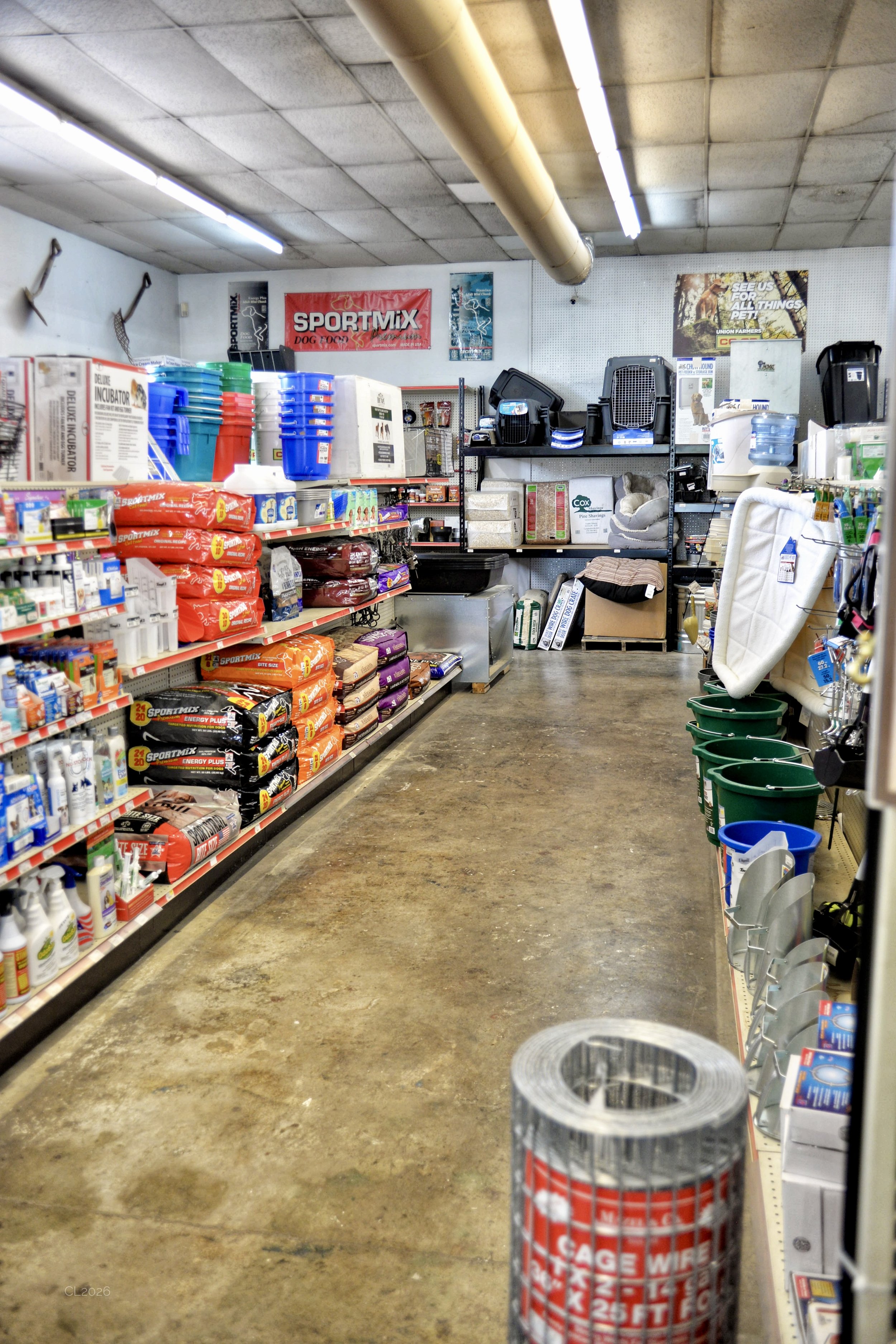
“How much is the land worth preserving to the people?” That was the question Ben Wilmoth and I discussed throughout our conversation for the next installment of the farm-to-table series.
Ben, a lifelong Tennessee resident, is the general manager of the Union Farmers Co-op in Maynardville, Tennessee, about 30 minutes from Knoxville on a two-lane highway. It’s two lanes for now. A major construction project is underway to expand it to four lanes. Maynardville is currently seeing an increase in traffic and population growth — more on that in a minute.
You might think of the Farmers Co-op along the same lines as the Agways found in the Upper Delaware region. Ben is not only the manager of the Co-op, but also a farmer himself — mostly beef cattle, though he also raises his own garden.
Farmers co-ops have existed since the 1940s and have long been a mainstay of the local agricultural community. Ben recalls both his father and grandfather getting their farming supplies from local co-ops. I met Ben after stopping into the Co-op and asking if I could tell their story. I think there’s a great deal to be said about what is happening here in East Tennessee and what it means for the land. We are seeing an influx of people moving to the area alongside a loss of next-generation farmers. That became the focus of much of our conversation.
Ben has his finger on the pulse of the farming community in Union County and the surrounding area. He graduated from the University of Tennessee at Martin with a bachelor’s degree in agricultural business before heading back east to work at the Claiborne County Farmers Co-op, eventually landing his current position as manager of the Union Farmers Co-op. Before that, he attended Walters State Community College through the Tennessee Promise program.
Ben appreciates the unique position the Co-op occupies. He gets to see the day-to-day realities of farming and noted that many local farmers work full-time jobs and farm in their spare time. The farms in East Tennessee are not the large-scale production operations found in other parts of the country. Here, farms are typically smaller and focused on livestock production. As you drive the backroads, you’ll see cattle farms scattered across the landscape.
The Farmers Co-op primarily sells in bulk to the local farmers. In fact, Ben had just wrapped up the busy fertilizer season when we met. But much like the Agways of the Northeast, the Co-op is more than a bulk supplier. It also caters to small farmers and growers — the backyard homesteader, the cattle farmer with a large garden each summer, and everyone in between.
One of Ben’s favorite quotes from his time at the Claiborne County Farmers Co-op came from his mentor, Mike Welch: “That lady’s rose bushes is just as important to her as that man’s 100 head of cattle.” I think that sentiment reflects the role most small-town co-ops and farm supply stores still play in rural communities.
But the most pressing topic is what is happening to the land itself.
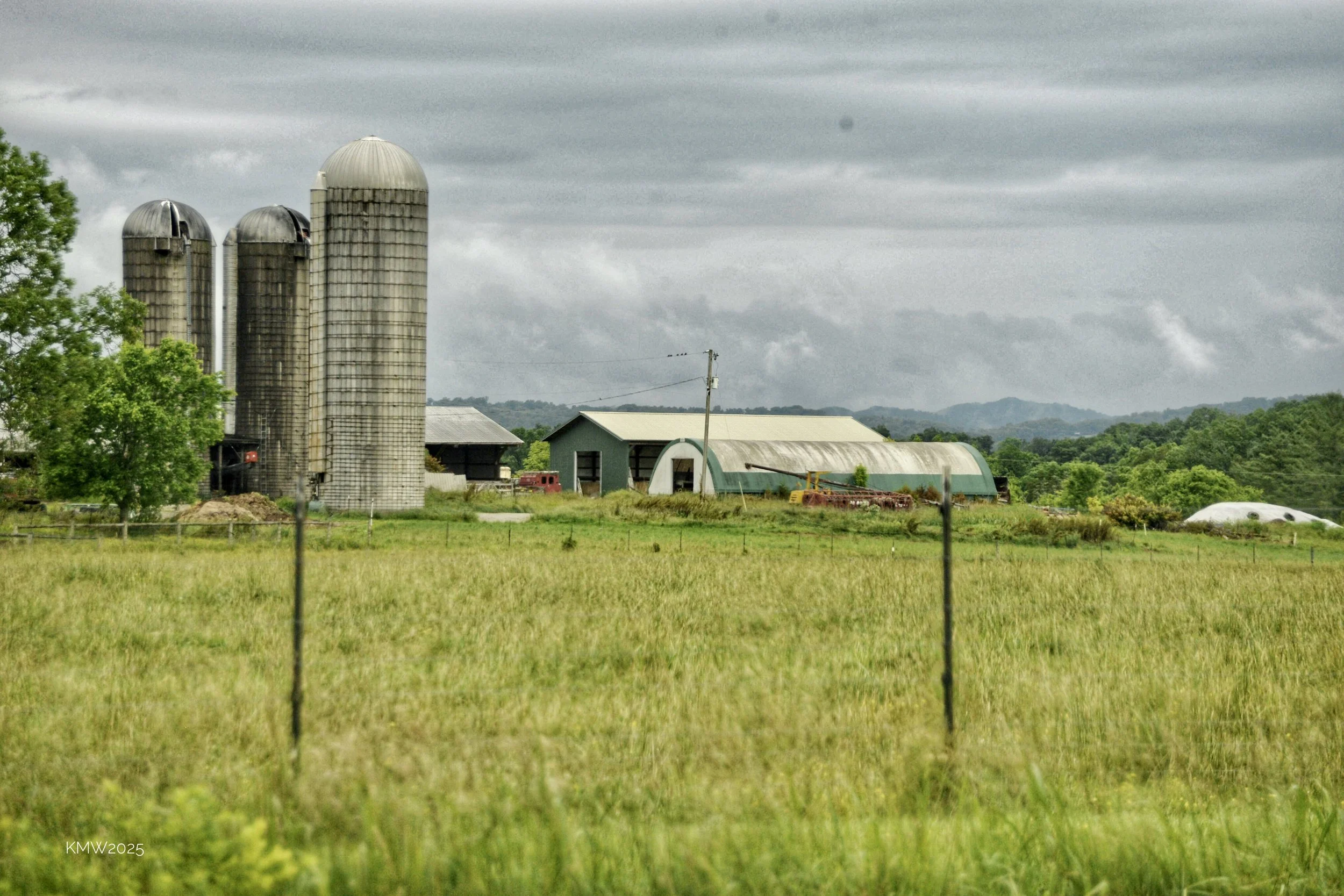
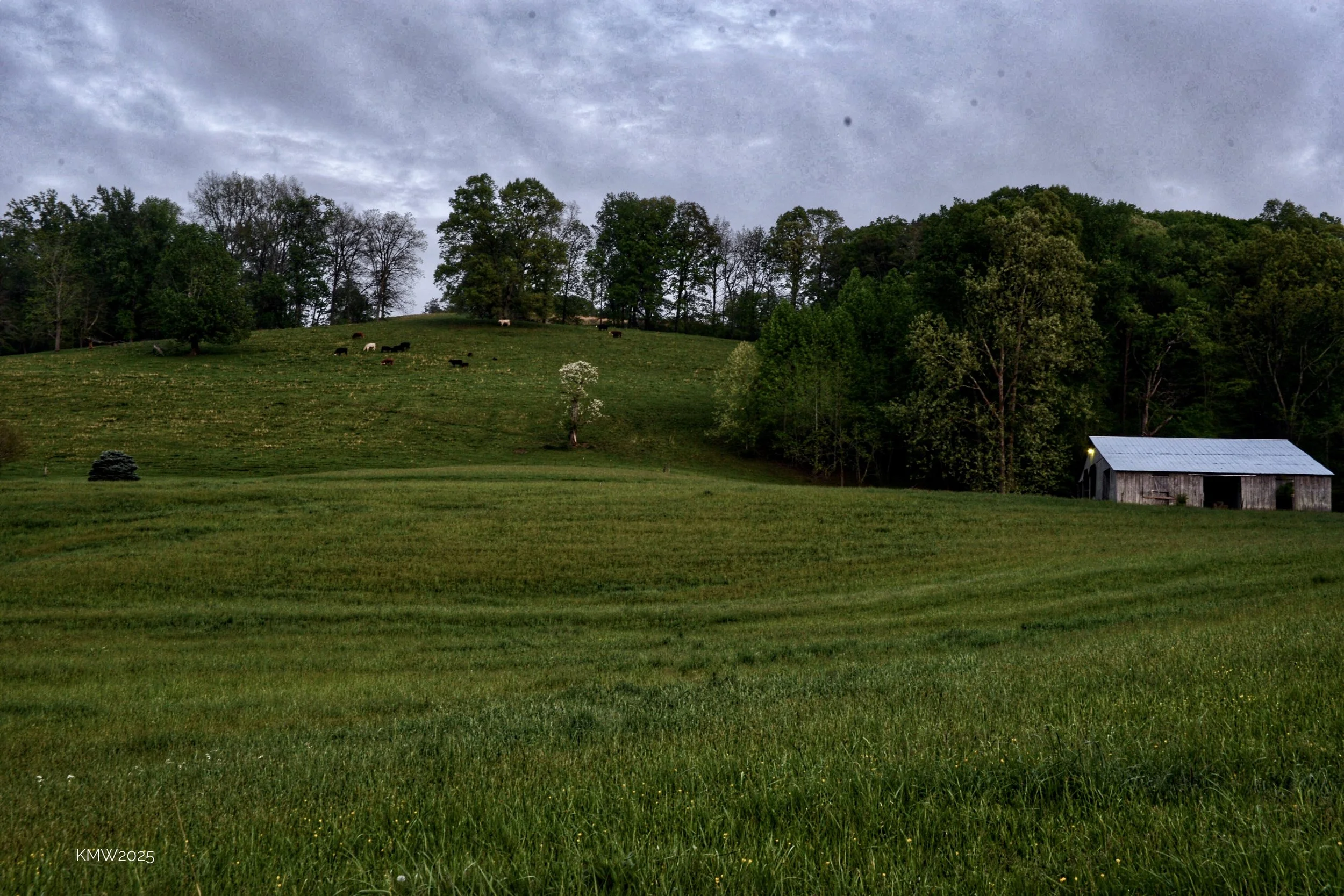
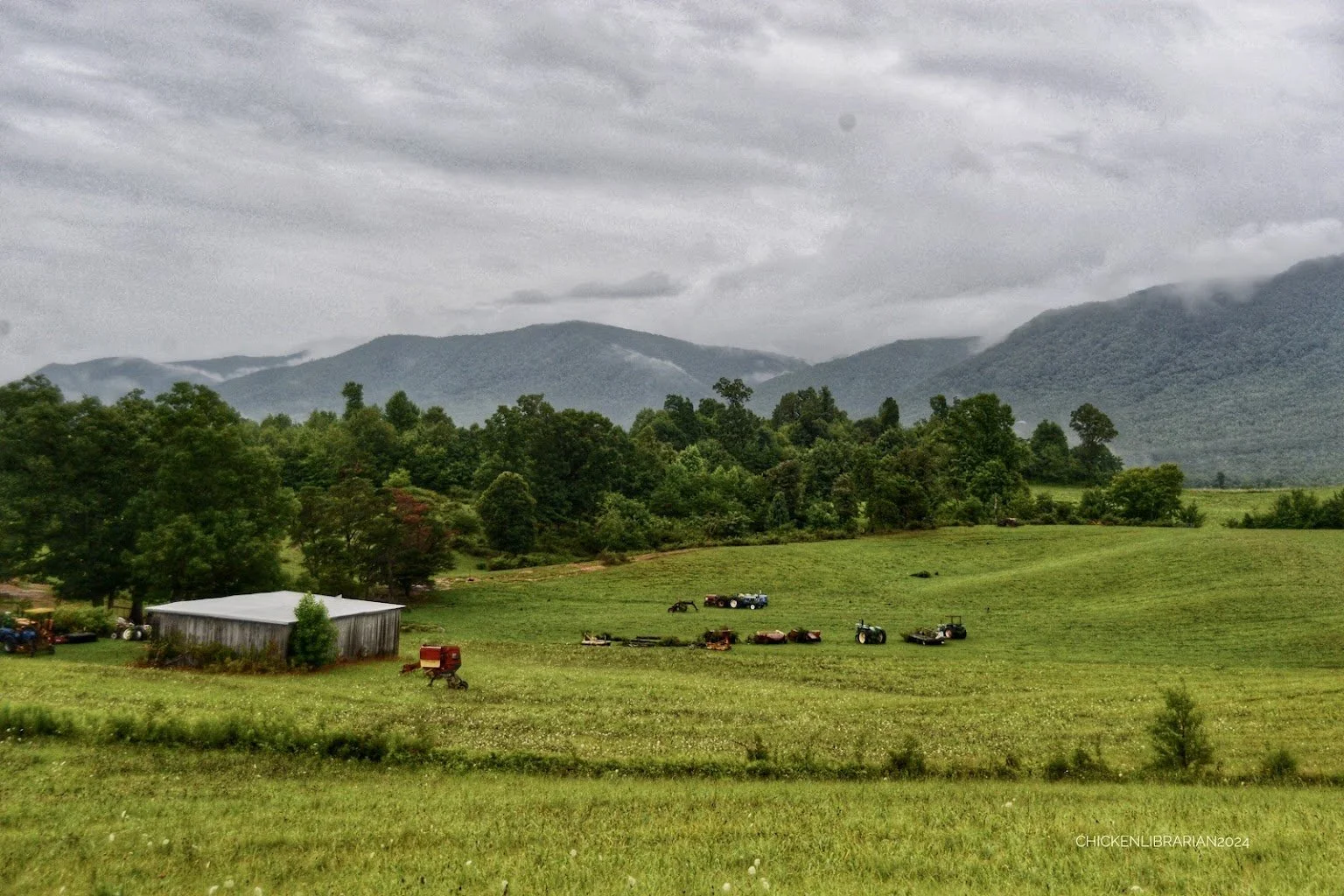
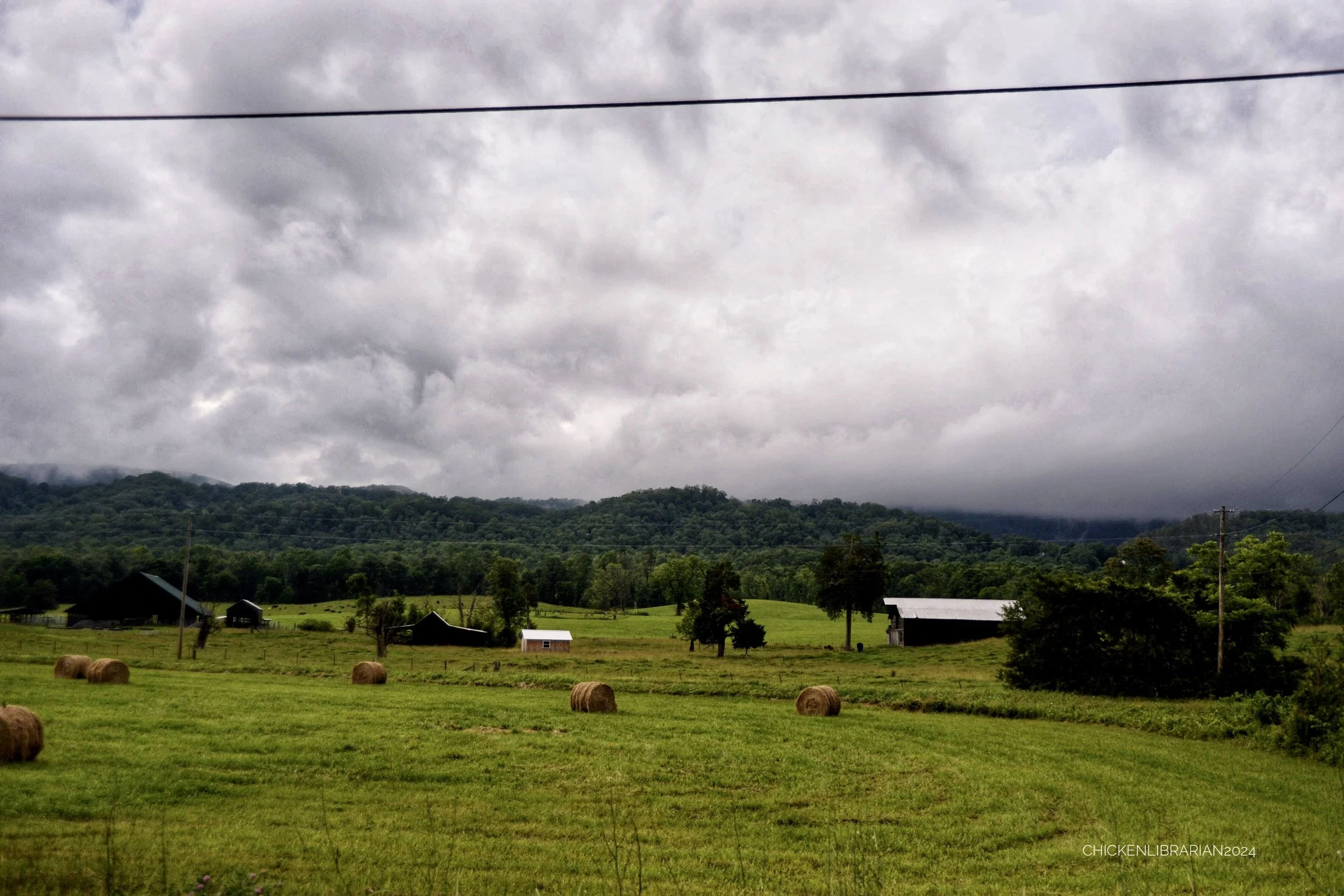
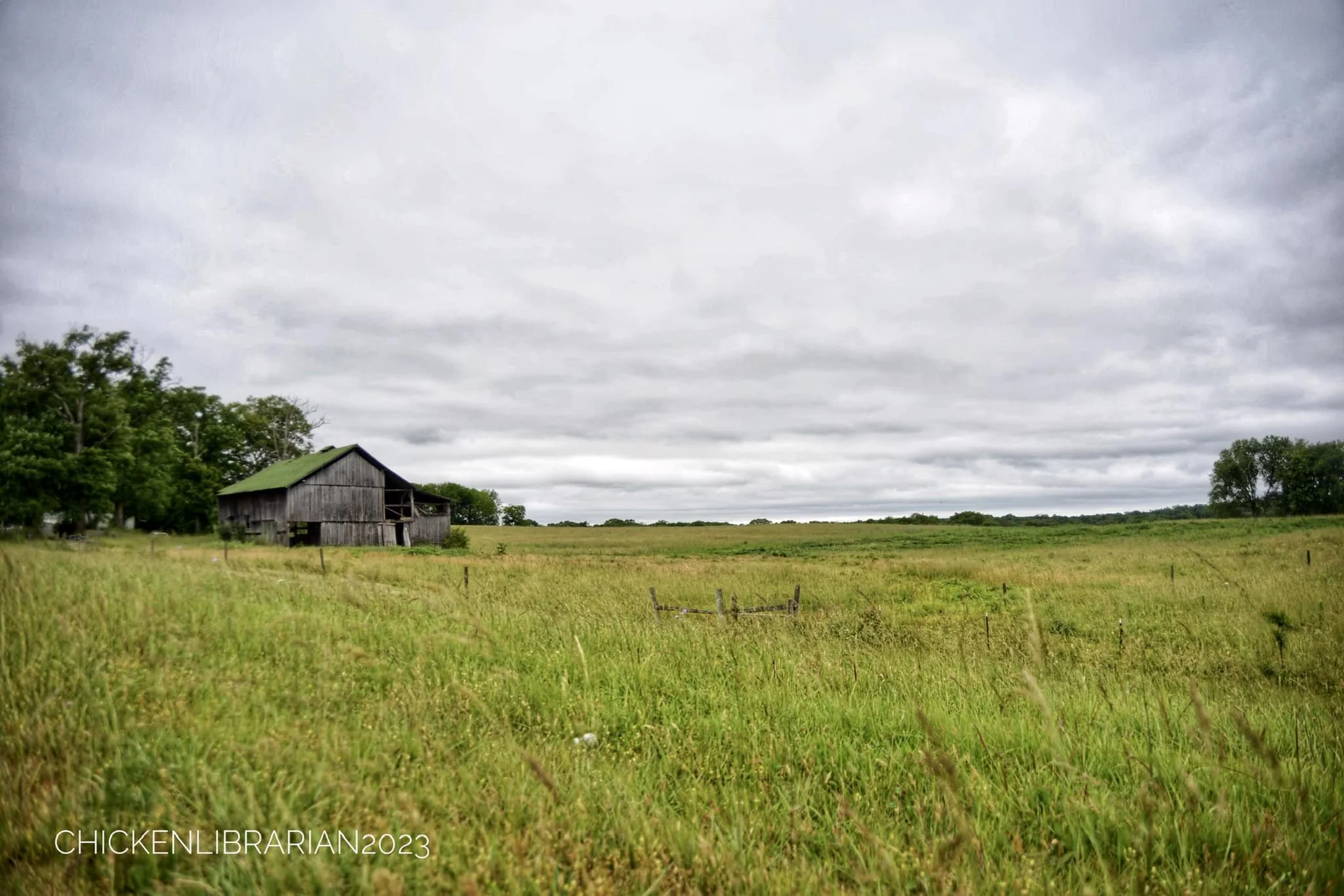
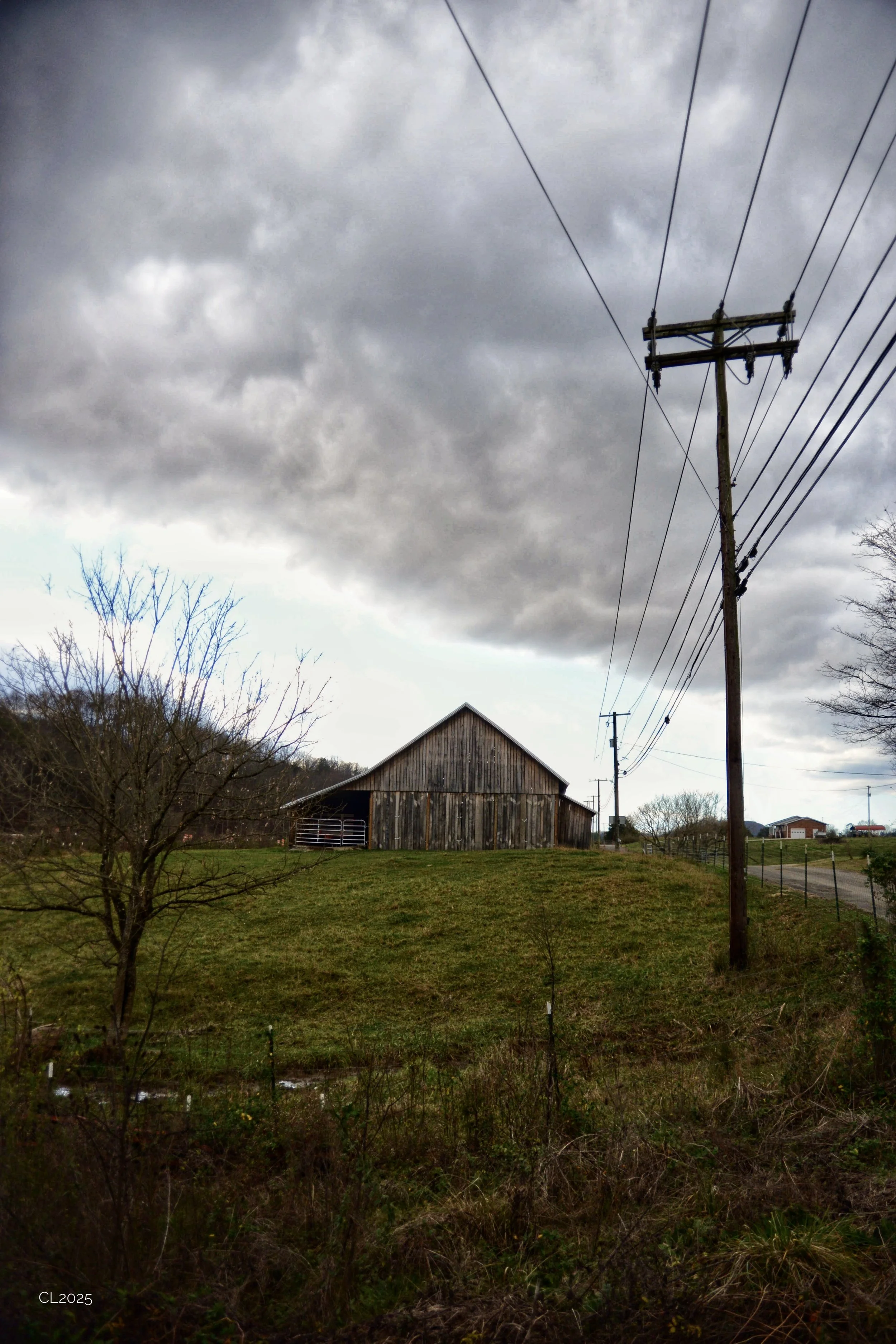
As I mentioned earlier, East Tennessee — especially around Knoxville — is experiencing a rapid influx of new residents, and the housing market is booming as a result. At the same time, there seems to be a decline in people willing to farm. As older farmers age out, many have no heir interested in taking over the operation. Developers then offer premium prices for their land — often more money than the farmers could ever make working it themselves — and eventually the land is sold. Soon after, construction begins on another development marketed as “affordable housing.”
But to what end?
That is where Ben and I spent most of our conversation: debating the finer points of what happens when farmland disappears at the rate we are losing it here in East Tennessee. There are no easy solutions — or at least none we could find. We are both understandably concerned about where this ends.
Is there a way to promote farming in our area? Right now, it feels like an uphill battle: the convenience of big-box stores, the hurried pace we find ourselves living in, and the relatively low cost of living in this region all play a role. But how long will that lower cost of living last? If more people continue moving here, farmland continues disappearing, and convenience culture keeps growing, how long will things really stay “cheap?”
Dear reader, you may not be experiencing this where you live. That is part of the purpose of this series: to show what is happening outside your own local area. I’ll be back soon to explore the other side of this conversation — something Ben and I discussed at length — how these same pressures do not yet seem to be affecting other parts of the country, especially regions of upstate New York.
Not yet, anyway.
Bio: Kristin Webber is a farm-to-table lifestyle curator, writer, and founder of Chicken Librarian and Yarn & Sundries Antiques. Her editorial work explores slow living, seasonal skills, and the people and places shaping food, culture, and community. You can find out more about her work on her website: chickenlibrarian.com
Published in the June 25, 2026 edition of The River Reporter