My affection for the Northeast is no secret. I first visited Cape Cod in 2001 and fell in love almost immediately. I returned several times a year, and it quickly became my very happy place. Little did I know that my love for the Cape, its landscape, and its distinctly New England character would not only find its way into my aesthetic but also eventually find its way into my cooking.
Cue the cranberry.
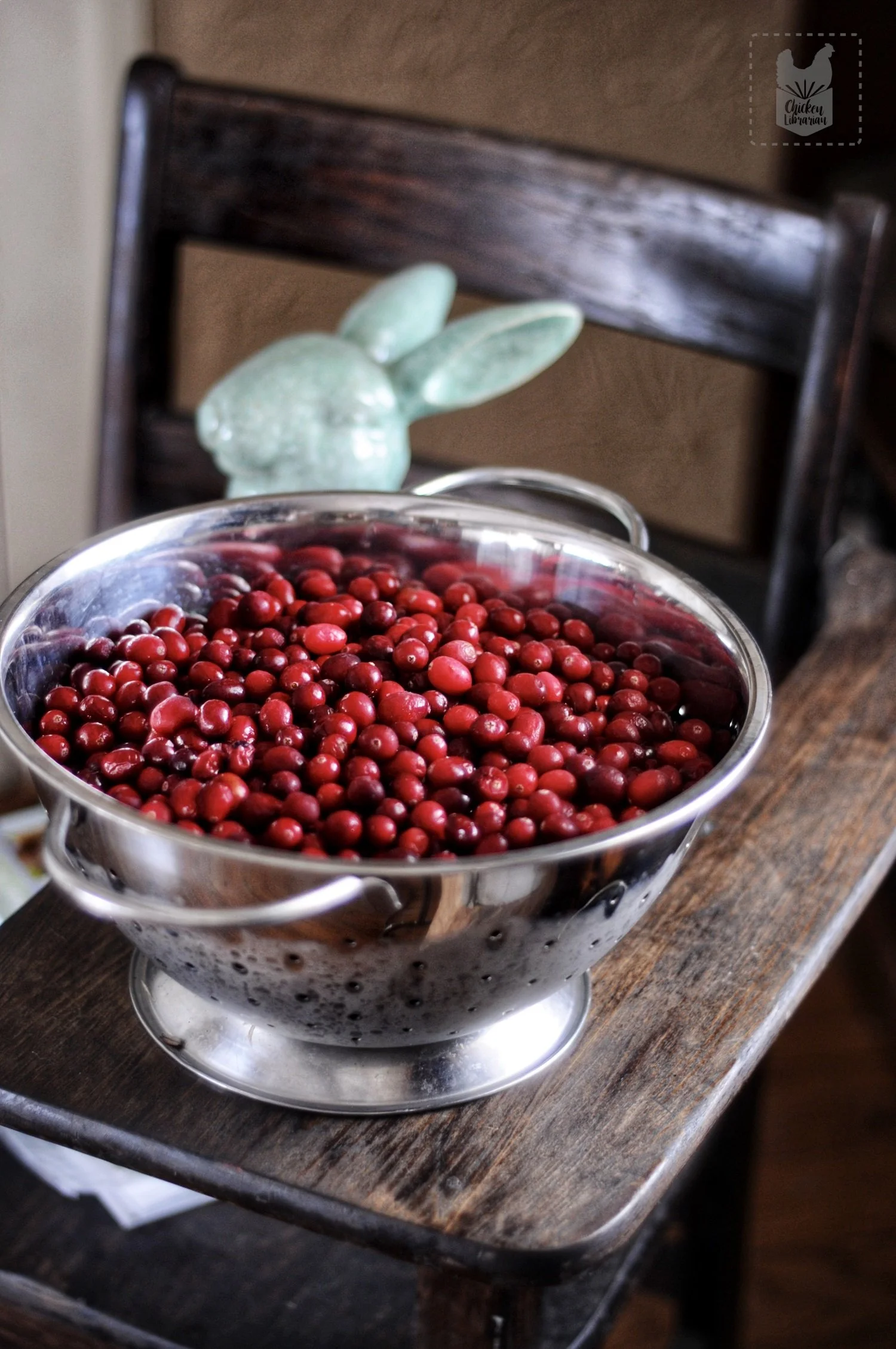
Cranberries are one of those ingredients people tend to love or hate. They're tart, but that is part of their appeal. Paired with a little sweetness, they strike a wonderful balance that makes them just as welcome in savory dishes as they are in baked goods. Most people are familiar with the obligatory canned cranberry sauce that appears on Thanksgiving tables, complete with its signature ridges. But cranberries have so much more to offer.
I use them in all sorts of ways, both fresh and dried. Dried cranberries go into my weekly batch of barley salad, which changes with the seasons and whatever happens to be in my kitchen. My favorite combination so far includes barley, goat cheese, pepitas, dried cranberries, arugula, and butternut squash.
When cranberries are in season, I buy bags and bags of them and toss them straight into the freezer so I can enjoy them all year long. I still have quite a stash left, in fact, so you’ll be seeing some of those cranberry recipes come to life here soon.
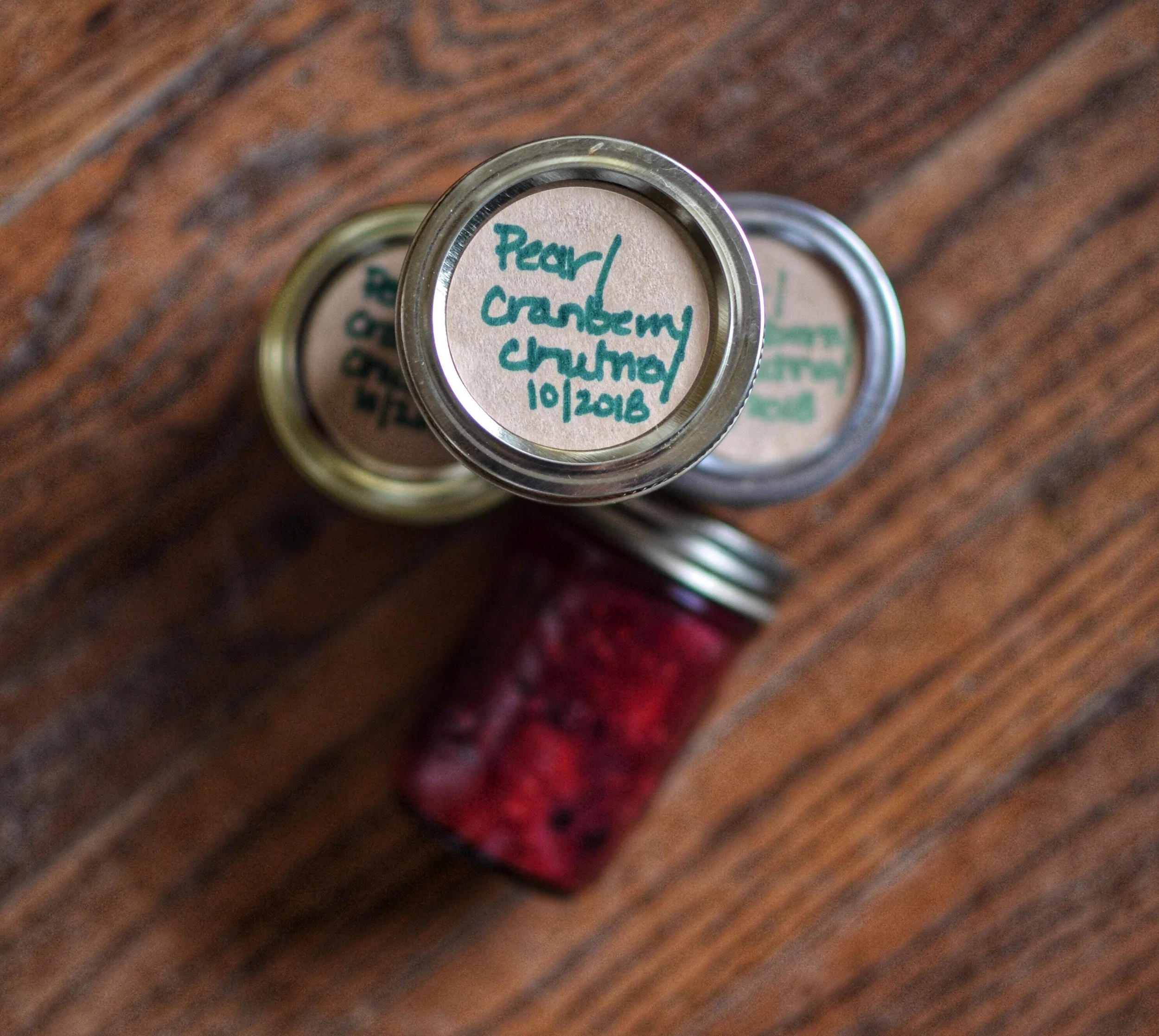
Choosing just one favorite way to use cranberries, though? Impossible. I've made cranberry bread, whole wheat muffins, cranberry ketchup, apple cranberry pie, and cranberry chutney, to name a few. I've even perfected my cranberry sauce for Thanksgiving. There will be no canned cranberry sauce on my table.
For all my years of traveling to Cape Cod, however, there's one thing I somehow missed: visiting a cranberry bog. For much of that time, I didn't even realize how closely the region was tied to cranberry growing. It wasn't until more recently, when I started researching how to grow my own cranberries, that I began to appreciate just how well suited parts of Cape Cod are to their cultivation.
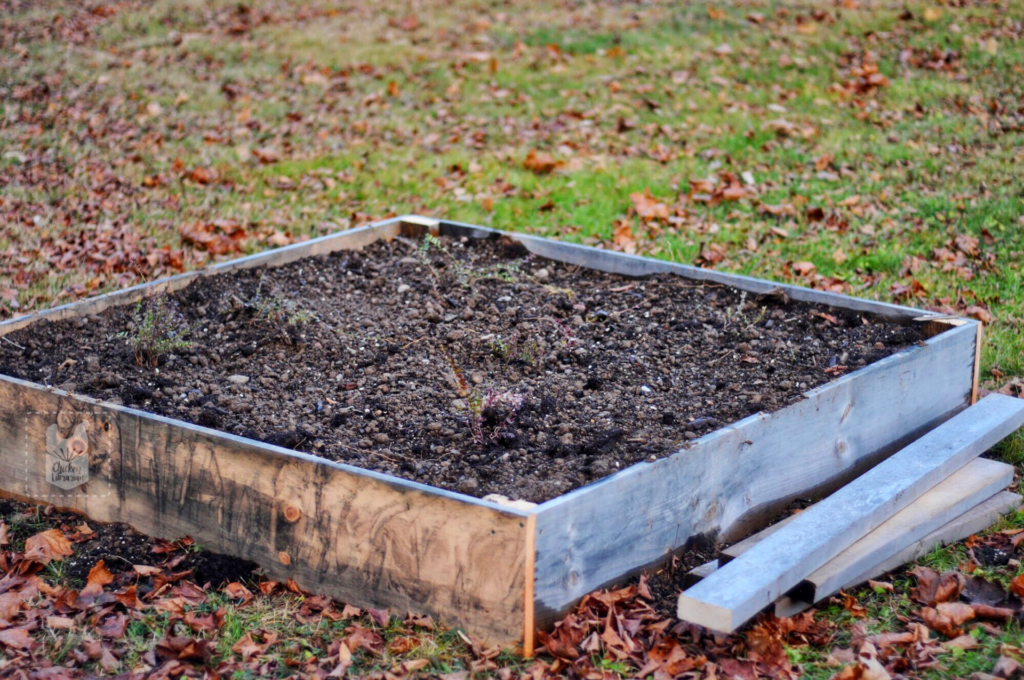
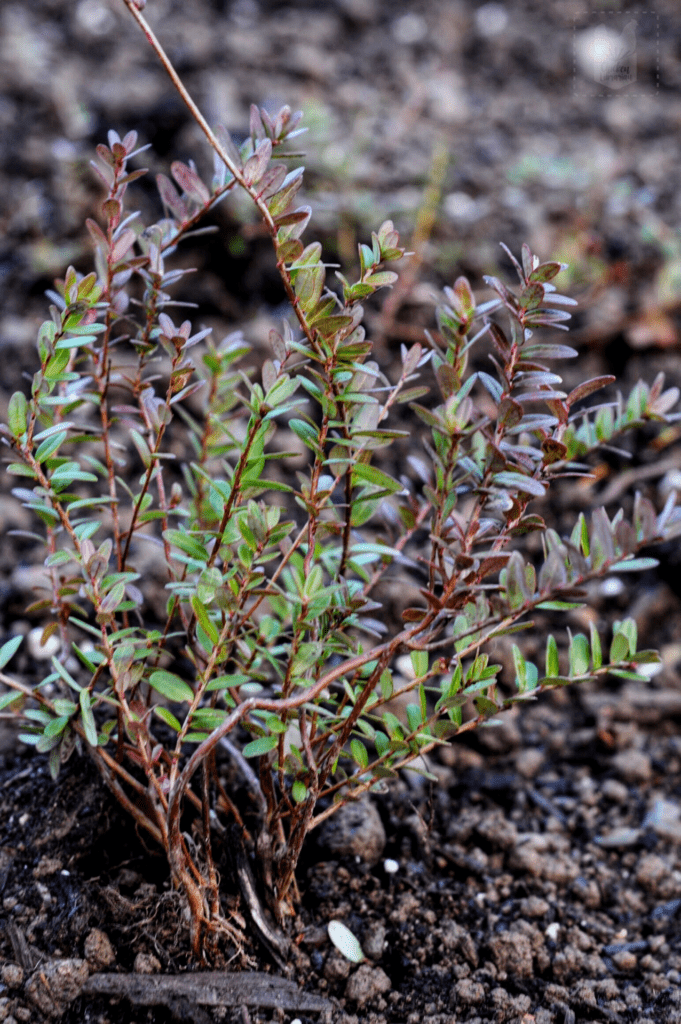
I love cranberries enough that growing my own seemed like a natural next step. A little research revealed that you don't need a bog to grow them at home. I planted a few in my backyard in the Catskills, though I haven't tried growing them here in East Tennessee.
Commercial cranberry production often relies on flooding bogs to make harvesting easier. For the home gardener, raised beds can be a practical alternative, provided the plants have the acidic soil, consistent moisture, and growing conditions they need. Cranberries are low-growing, creeping plants that spread along the ground, making them well suited to a contained bed. And don't expect your homegrown berries to look exactly like the large, uniformly round cranberries in the grocery store. Size and appearance can vary, especially depending on the variety and growing conditions.
So, the next time you're on Cape Cod—or anywhere cranberries are grown—consider stopping by a local bog to watch the harvest. It's a fascinating part of the region's agricultural history, and well worth seeking out.
And while you're on the Cape, there are plenty of other local favorites to discover. Did you know Cape Cod Potato Chips are made on Cape Cod? And that you can find a lemon-pepper flavor there during the summer season? Apparently, some things are best discovered right where they began. I may have to devote an entire post to my favorite Cape Cod finds.
For now, I'll leave you to think about the almighty cranberry. Are you a fan?